SpaceX's 34th Resupply Mission Delivers Cutting-Edge Science to the International Space Station
Launch Overview
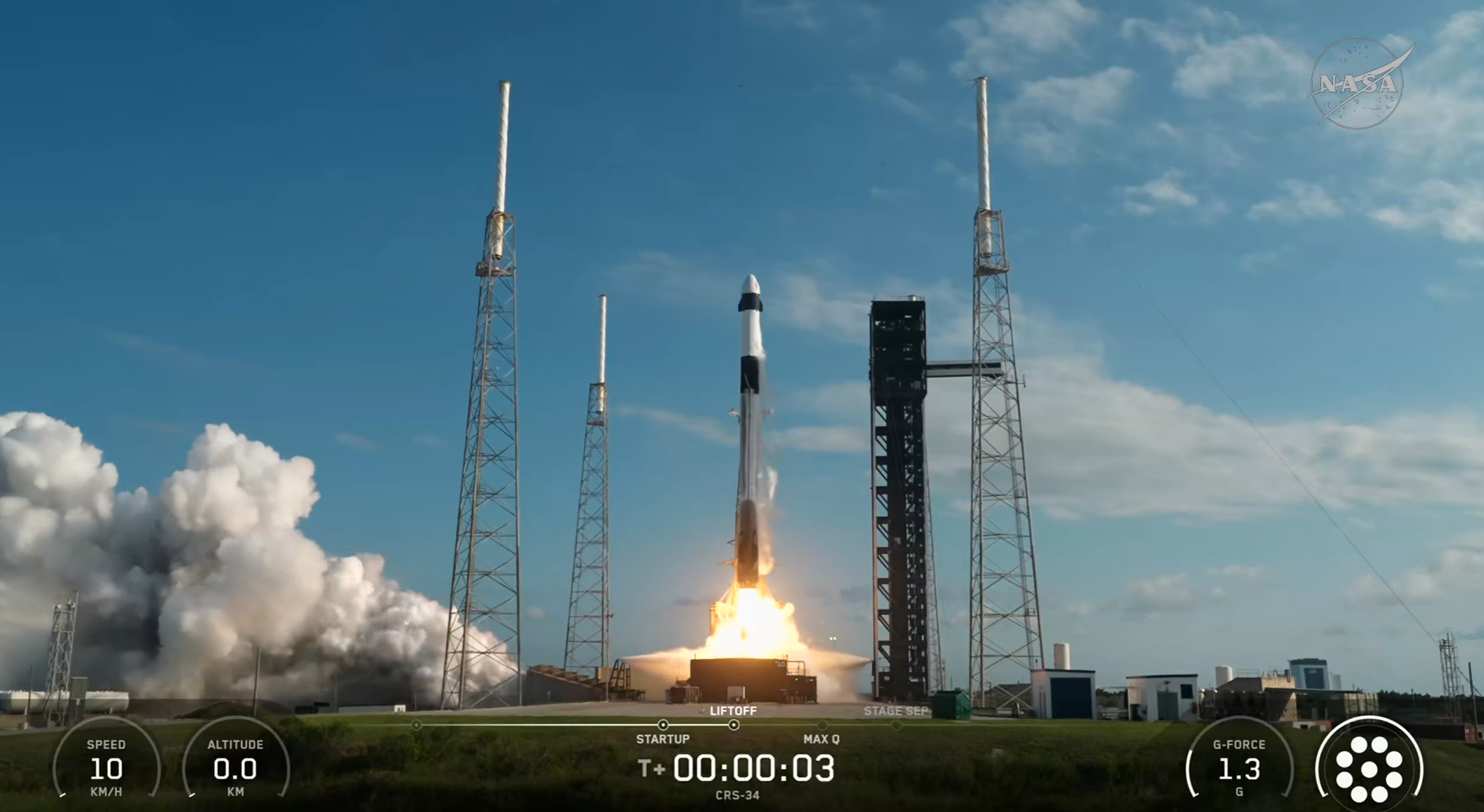
On Friday, May 15, 2026, at 6:05 p.m. EDT, a SpaceX Falcon 9 rocket roared to life from Space Launch Complex 40 at Cape Canaveral Space Force Station in Florida, carrying the Dragon cargo spacecraft. This marks the 34th commercial resupply mission under contract with NASA, sending vital supplies and groundbreaking scientific experiments to the International Space Station (ISS).
Docking and Coverage
After a two-day journey, Dragon is scheduled to autonomously dock with the space station on Sunday, May 17, at approximately 7 a.m. EDT. It will attach to the forward port of the Harmony module, where the Expedition 74 crew awaits. NASA will provide live coverage of the rendezvous and docking starting at 5:30 a.m. EDT on NASA+, Amazon Prime, and the agency's YouTube channel.
Cargo and Experiments Aboard Dragon
Dragon is packed with nearly 6,500 pounds of cargo, including crew supplies and a suite of innovative experiments that promise to advance our understanding of space and Earth.
Simulators vs. Microgravity
One experiment aims to evaluate how well Earth-based simulators can mimic the conditions of microgravity. This could help researchers conduct preliminary studies without needing to launch experiments into space, saving time and resources.
Wood-Based Bone Scaffold for Osteoporosis
A novel bone scaffold made from wood will be tested for its potential to treat fragile bone conditions like osteoporosis. If successful, this could lead to new therapies for bone density loss, both in space and on Earth.
Red Blood Cells and Spleen Changes
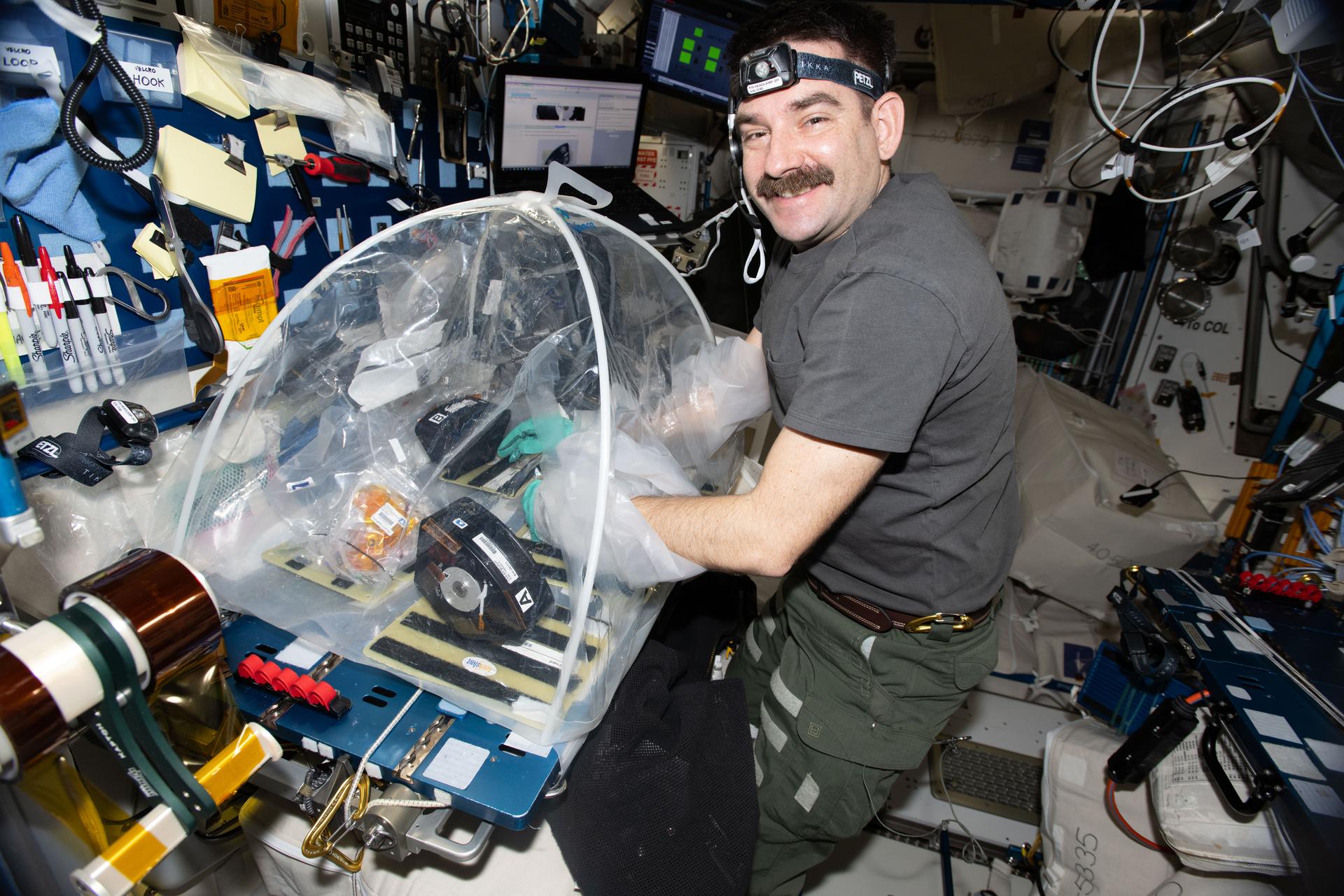
Researchers will use specialized equipment to study how red blood cells and the spleen change in the space environment. Understanding these changes is crucial for astronaut health on long-duration missions.
Charged Particle Instrument
A new instrument will measure charged particles around Earth that can disrupt power grids and satellites. This data will help protect our technological infrastructure from space weather events.
Planet Formation Investigation
Another experiment could provide fundamental insights into how planets form, by observing processes in microgravity that are impossible to replicate on Earth.
Sunlight Reflection Measurement
An instrument designed to take highly accurate measurements of sunlight reflected by Earth and the Moon will also fly on this mission. This data will improve climate models and our understanding of Earth's energy balance.
Significance of ISS Research
These experiments are just a sample of the hundreds of investigations conducted aboard the ISS in biology, biotechnology, physical sciences, and Earth and space science. For over 25 years, the space station has been a continuous home and laboratory for humans, enabling research breakthroughs not possible on Earth. The ISS helps NASA understand and overcome the challenges of human spaceflight, expand commercial opportunities in low Earth orbit, and lay the groundwork for long-duration missions to the Moon (under the Artemis program) and eventually Mars.
Return Plans
Dragon is scheduled to remain docked at the station until mid-June. It will then depart and return to Earth with time-sensitive research and cargo, splashing down off the coast of California.
Live Coverage and More Information
For the latest on International Space Station research, operations, and crew, visit the official NASA website: https://www.nasa.gov/station.
Media Contacts
Jimi Russell, NASA Headquarters, 202-358-1100, james.j.russell@nasa.gov
Danielle Sempsrott / Leejay Lockhart, Kennedy Space Center, 321-867-2468, danielle.c.sempsrott@nasa.gov / leejay.lockhart@nasa.gov
Sandra Jones / Joseph Zakrzewski, Johnson Space Center, 281-483-5111, sandra.p.jones
Related Articles
- Unveiling the Rocky Secrets of Uranus and Neptune: A New Study Challenges Old Labels
- 7 Shocking Discoveries About the Pacific Northwest's Splitting Ocean Floor
- The Problem Solver Behind NASA's Artemis Launches: Anton Kiriwas
- 5 Surprising Truths About Getting Rich in America Throughout History
- Exploring Mars: Q&A on the Stunning New Panoramas from Curiosity and Perseverance
- How to Uncover the Financial Ties Between Tesla, SpaceX, and xAI in 2025
- Early Embryo Vulnerability to COVID-19: New Insights from UC Riverside
- Kyber Ransomware: Marketing Hype or Genuine Quantum Security?