10 Key Insights Into the JetStream 3 Benchmark Suite
The JetStream 3 benchmark suite has arrived, a collaborative effort from Apple, Google, and Mozilla. This major update redefines how we measure web performance, especially for WebAssembly and large-scale applications. Here are the ten most important things you need to know.
1. What Is JetStream 3?
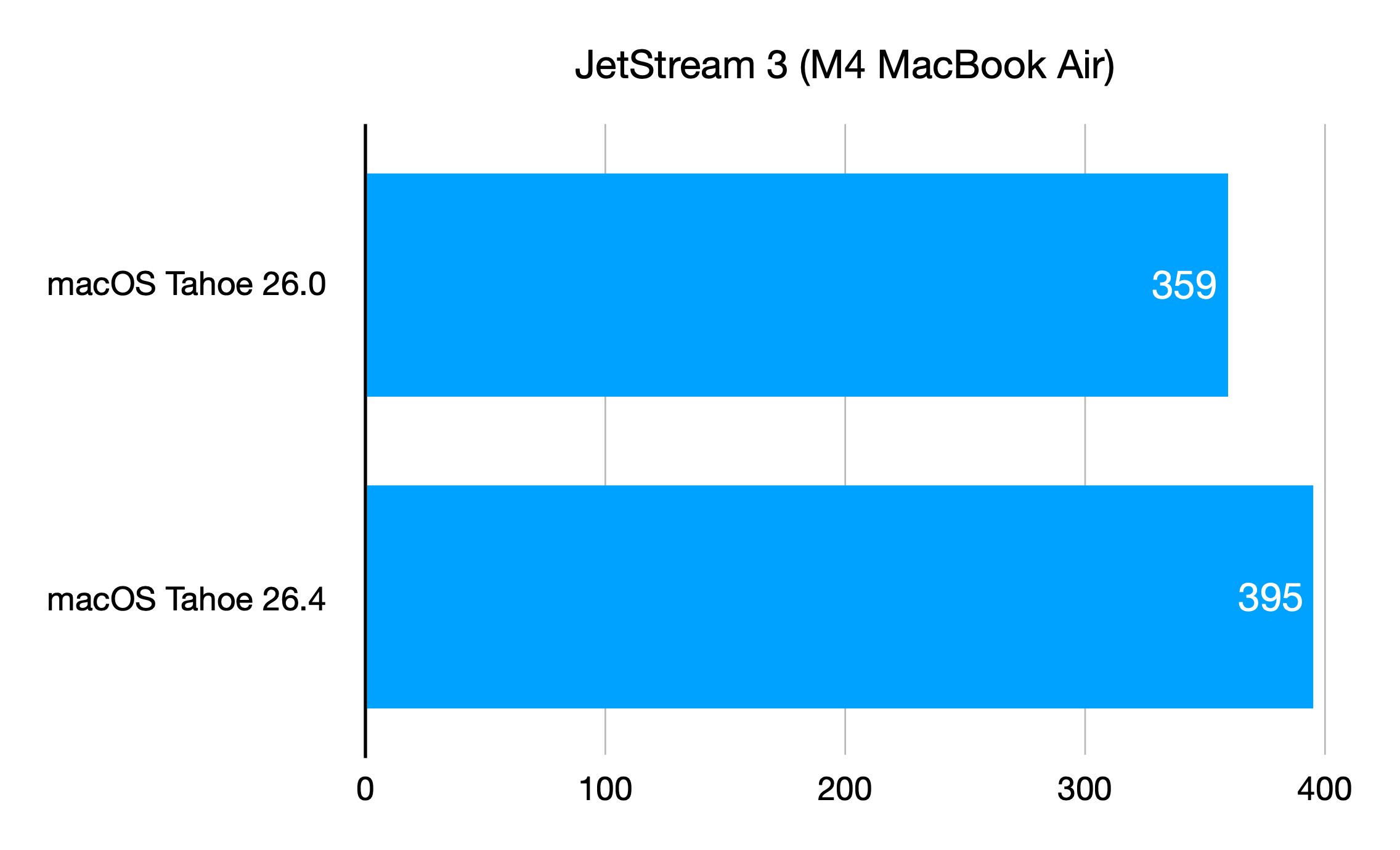
JetStream 3 is a cross-browser benchmark suite designed to evaluate the performance of modern web applications. It builds on its predecessor, JetStream 2, by incorporating new workloads and a revamped scoring system. The suite tests JavaScript, WebAssembly, and other core web technologies, providing a comprehensive view of browser engine efficiency. It was developed jointly by teams at Apple (WebKit), Google (V8), and Mozilla (SpiderMonkey), ensuring it reflects diverse web environments. JetStream 3 aims to drive performance improvements by simulating real-world usage patterns, from complex UI interactions to heavy data processing.
2. A Collaborative Cross-Engine Effort
This benchmark update is unique because it represents a tri-company collaboration. Engineers from Apple, Google, and Mozilla worked together to define test cases and scoring methodologies. The goal was to create a fair, neutral benchmark that benefits the entire web ecosystem. Each team contributed insights from their respective browser engines—JavaScriptCore, V8, and SpiderMonkey—to ensure the suite accurately captures performance bottlenecks. This partnership underscores a shared commitment to improving the web, even among competitors.
3. Why Benchmarks Need Regular Updates
Benchmarks drive performance optimization, but they can become stale as web technologies evolve. Best practices shift, new APIs emerge, and user expectations grow. A benchmark that once guided improvements may inadvertently encourage narrow optimizations that don't translate to real-world gains. JetStream 2 was released when WebAssembly was nascent, and its workloads no longer reflected modern usage. JetStream 3 addresses this by incorporating contemporary patterns, such as faster WebAssembly instantiation and larger application scales, ensuring the benchmark remains a relevant tool for developer.
4. The WebAssembly Benchmarking Evolution
In JetStream 2, WebAssembly performance was measured in two separate phases: Startup (time to instantiate a module) and Runtime (throughput after startup). This reflected the early days when Wasm was mainly used for large, one-off computations like video games. However, browser engines quickly optimized startup times. JetStream 3 replaces this split with integrated benchmarks that measure Wasm in the context of full application workflows—where it's used repeatedly and in smaller chunks, such as in libraries and image decoders.
5. The Infinity Problem: When Startup Time Hits Zero
As engines like WebKit’s JavaScriptCore optimized WebAssembly instantiation, startup times for some workloads dropped below measurable limits. JetStream 2 used Date.now() for timing, which rounds to the nearest millisecond. If a workload took less than 1 ms, it recorded as 0 ms. The scoring formula Score = 5000 / Time then produced an infinite score—a clear sign the benchmark was broken. This problem forced a patch in JetStream 2.2 that capped scores at 5000, but it highlighted the need for a fundamental rethink.
6. The Patch That Bought Time
To prevent infinite scores from skewing results, the JetStream 2.2 update introduced a clamping mechanism: any sub-score that would exceed 5000 was capped at that value. While this fixed the immediate issue, it masked the underlying problem—the benchmark no longer challenged modern engines. The patch was a temporary bandage, acknowledging that the Wasm subtests had become too easy. JetStream 3 eliminates the need for such hacks by using higher-resolution timing and more demanding workloads that reflect current WebAssembly use cases.
7. WebAssembly Is Now in the Critical Path
WebAssembly has moved beyond niche applications. Today, it powers essential web features like image decoding, encryption, and UI frameworks. A “zero” startup time in a microbenchmark doesn’t capture the cumulative impact of many small Wasm modules loading during page initialization. JetStream 3 recognizes this by including tests that mimic real-world scenarios: multiple Wasm instances, interleaved with JavaScript, and with memory-intensive operations. This shift ensures optimizations benefit actual user experiences, not just synthetic benchmarks.
8. From Micro-Optimizations to Real-World Scaling
When benchmark workloads become too familiar, engines can over-optimize specific patterns, yielding diminishing returns for general web performance. JetStream 3 introduces larger, more complex applications that resist such narrow tuning. For example, it includes data processing pipelines that combine JavaScript and Wasm, streaming compression, and heavy DOM manipulation. This forces engine developers to focus on broader system-level improvements—like faster parsing, better caching, and efficient memory management—rather than micro-optimizations of a single loop.
9. Measuring the Full Application Lifecycle
JetStream 3 emphasizes end-to-end performance: from page load to interactive availability. It measures not just raw computation but also startup, responsiveness, and sustained throughput. For WebAssembly, the suite now includes scenarios where modules are instantiated and discarded frequently, simulating modern usage patterns. This lifecycle perspective helps developers understand trade-offs—like investing in faster instantiation versus higher runtime speed—and guides engine prioritization.
10. What JetStream 3 Means for the Web
This benchmark suite is more than a score—it’s a roadmap for web performance improvements. By reflecting current practices and challenging engines with realistic workloads, JetStream 3 encourages optimizations that matter to users. For developers, it provides a credible tool to compare browsers and identify performance gaps. For browser vendors, it highlights areas needing innovation, especially in WebAssembly integration and large-scale application handling. Ultimately, JetStream 3 aims to keep the web fast and capable as it evolves.
The JetStream 3 benchmark suite represents a necessary evolution in how we measure web performance. By addressing the limitations of its predecessor—particularly around WebAssembly and the scale of modern applications—it sets a higher bar for browser engines. This collaboration between major vendors ensures that the benchmark is both fair and challenging, driving optimizations that truly improve the user experience. As the web continues to grow, tools like JetStream 3 will remain essential for keeping it fast and reliable.
Related Articles
- Mastering Multi-Cloud Visibility: A Step-by-Step Guide to Using HCP Terraform with Infragraph
- U.S. Men Sentenced to Prison for Operating 'Laptop Farms' for North Korean Hackers
- SUSE Unveils AI-Native Infrastructure Platform at KubeCon Europe 2026
- Akane-Banashi Anime Proves Rakugo’s Timeless Appeal, Spring’s Most Underrated Series
- Navigating arXiv's New AI-Generated Content Policy: A Complete Guide to Avoiding Submission Bans
- Windows 11 Pro at a Fraction of the Cost: What You Get for Just $10
- Exploring the Deep Sea and the Battlefield: How New Technologies Are Reshaping Our World
- Beelink EX Mate Pro Q&A: 80 Gbps USB4 v2 Dock with Four M.2 Slots