Reviving the American Dream: Challenges and Pathways Forward
The State of the American Dream
America stands at a critical crossroads. The promise of opportunity that has defined the nation for generations—the American Dream—faces unprecedented threats. Soaring costs for basic necessities, declining civic participation, and extreme wealth concentration have eroded the foundations upon which this dream was built. Without urgent action, the vision of upward mobility and shared prosperity may slip beyond reach for millions.
Critical Areas of Concern
Skyrocketing Costs
Housing, healthcare, and education costs have risen far faster than inflation and wage growth. Families across the income spectrum find it increasingly difficult to afford a home, receive medical care, or send children to college without crippling debt. This financial squeeze undermines the very idea that hard work leads to a better life.
Voter Turnout
In a democracy, every voice should matter. Yet 144 million Americans—42% of the adult population—do not vote and thus have no say in decisions that shape their lives. This disengagement weakens the democratic process and leaves many feeling powerless.
Wealth Inequality
Wealth concentration has reached historic extremes. The top 1% of households control 32% of all wealth, while the bottom 50% hold only 2.6%. Such disparity not only limits economic mobility but also fuels social division and instability.
A Call to Action: Philanthropic Efforts
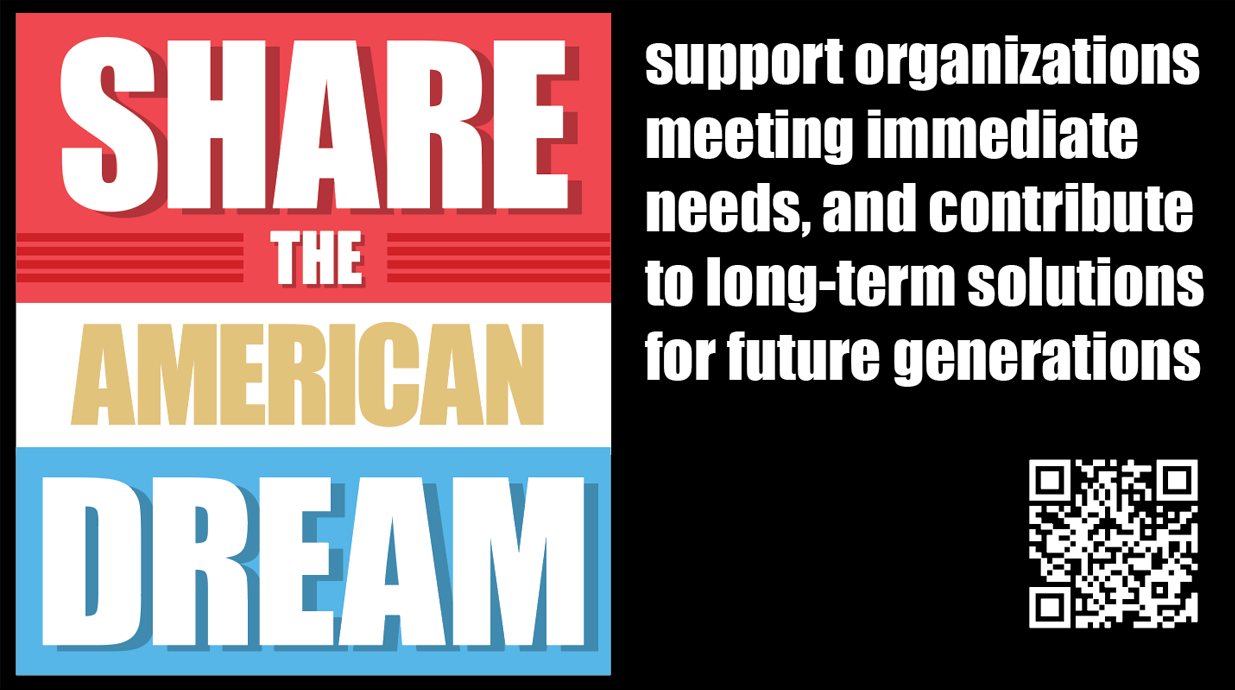
Recognizing the urgency, one family has stepped forward with immediate contributions to organizations working on the front lines. They made eight $1 million donations to nonprofit groups that address pressing needs—from disaster relief to mental health support—across the country.
The Organizations
- Team Rubicon – Mobilizes veterans to use their skills in preparing for, responding to, and recovering from natural disasters, continuing their service to the nation.
- Children's Hunger Fund – Partners with local churches in the U.S. and globally to provide resources for impoverished communities.
- PEN America – Defends writers against censorship, supports those in need of emergency assistance, and amplifies the voices of incarcerated writers. (One of the donor's personal favorites, citing the transformative power of writing.)
- The Trevor Project – Works to change hearts, minds, and laws to support young adults in the LGBTQ+ community, helping them find acceptance and belonging.
- NAACP Legal Defense and Educational Fund – A historic legal organization advancing racial justice and reducing inequality through litigation and advocacy.
- First Generation Investors – Teaches high school students in low-income areas investment fundamentals, giving them real money to invest, and promoting long-term wealth building and financial literacy.
- Global Refuge – Supports migrants and refugees through community-based legal and social services, helping them rebuild their lives in America.
- Planned Parenthood – Provides essential healthcare services and resources that enable individuals and families to lead healthier lives.
These organizations represent a diverse set of strategies to address immediate hardships. The donor encourages every American to contribute, however they can, to groups they believe are effectively helping those most in need.
A Long-Term Commitment
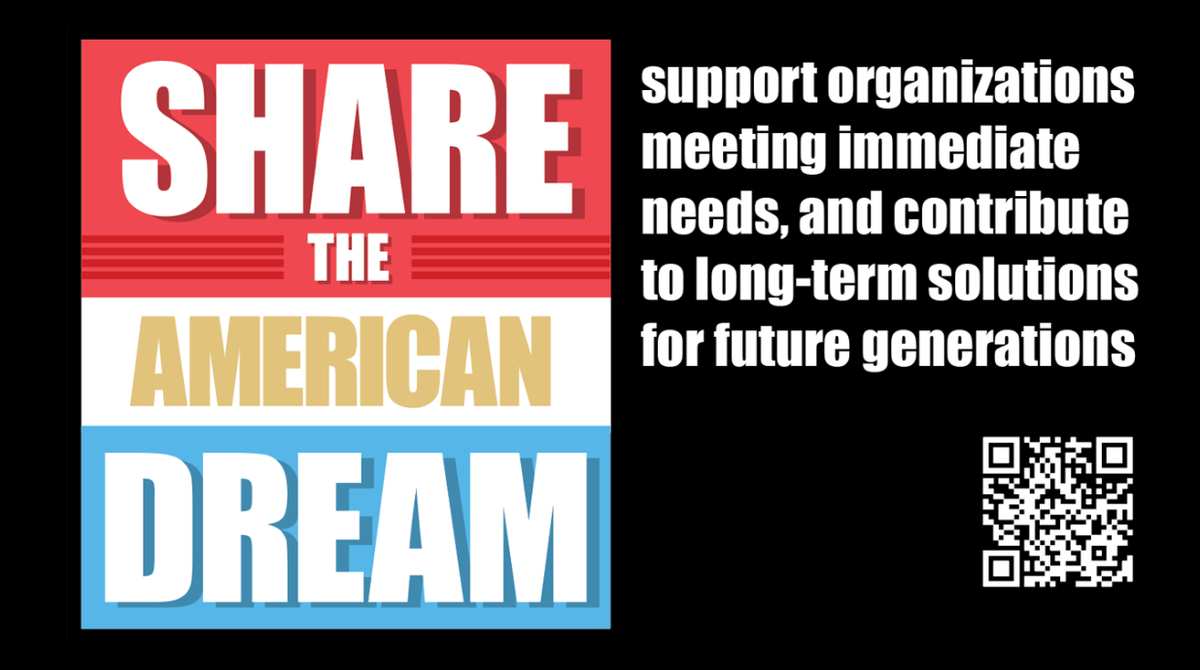
While immediate relief is vital, deeper, structural changes are required—changes that may take decades to achieve. The same family has pledged half of their remaining wealth over the next five years to support long-term efforts aimed at ensuring all Americans can still reach the American Dream.
This commitment is especially meaningful given the donor's own background. Growing up in hardscrabble rural West Virginia and North Carolina, their parents barely clawed their way to the bottom of the middle class. Personal struggles—including an alcoholic father and a mother who joined in the drinking—led to a divorce when the donor was 16. Despite these challenges, the family managed to build enough wealth to now give back. The donor reflects: "I never thought my family would be able to do this." This story underscores that the American Dream, though battered, is not lost—but it requires collective effort to keep it alive.
Conclusion
The American Dream is more than a slogan; it is a promise of opportunity, fairness, and hope. To preserve it, we must address the soaring costs that crush ambition, the democratic deficit that silences millions, and the extreme inequality that concentrates opportunity among a few. Philanthropy can provide immediate relief and seed long-term change, but lasting transformation will require sustained engagement from all Americans. The time to act is now—for ourselves, for our neighbors, and for generations to come.
Related Articles
- Instant Ad Account Diagnostics: Testing mureo Without Any Data Export
- New Data from Apple and University of Michigan Hearing Study Reinforces AirPods' Hearing Health Impact
- Heat Therapy as a Potential Alzheimer's Prevention Strategy: Lessons from a Case Study
- 10 Things You Need to Know About J&J's IBD Combination Therapy, DUET Study
- Breakthrough Obesity Drug Uses 'Trojan Horse' Strategy to Supercharge Weight Loss in Preclinical Trials
- The Surge in Colorectal Cancer Among Younger Adults: Key Questions Answered
- The Persistence of PFAS in Infant Formula: What Parents Need to Know
- 10 Key Insights into Pharma's Reputation: Progress and Persistent Challenges