Establishing a National Higher Education Partnership for Digital Skills: A Step-by-Step Guide
Introduction
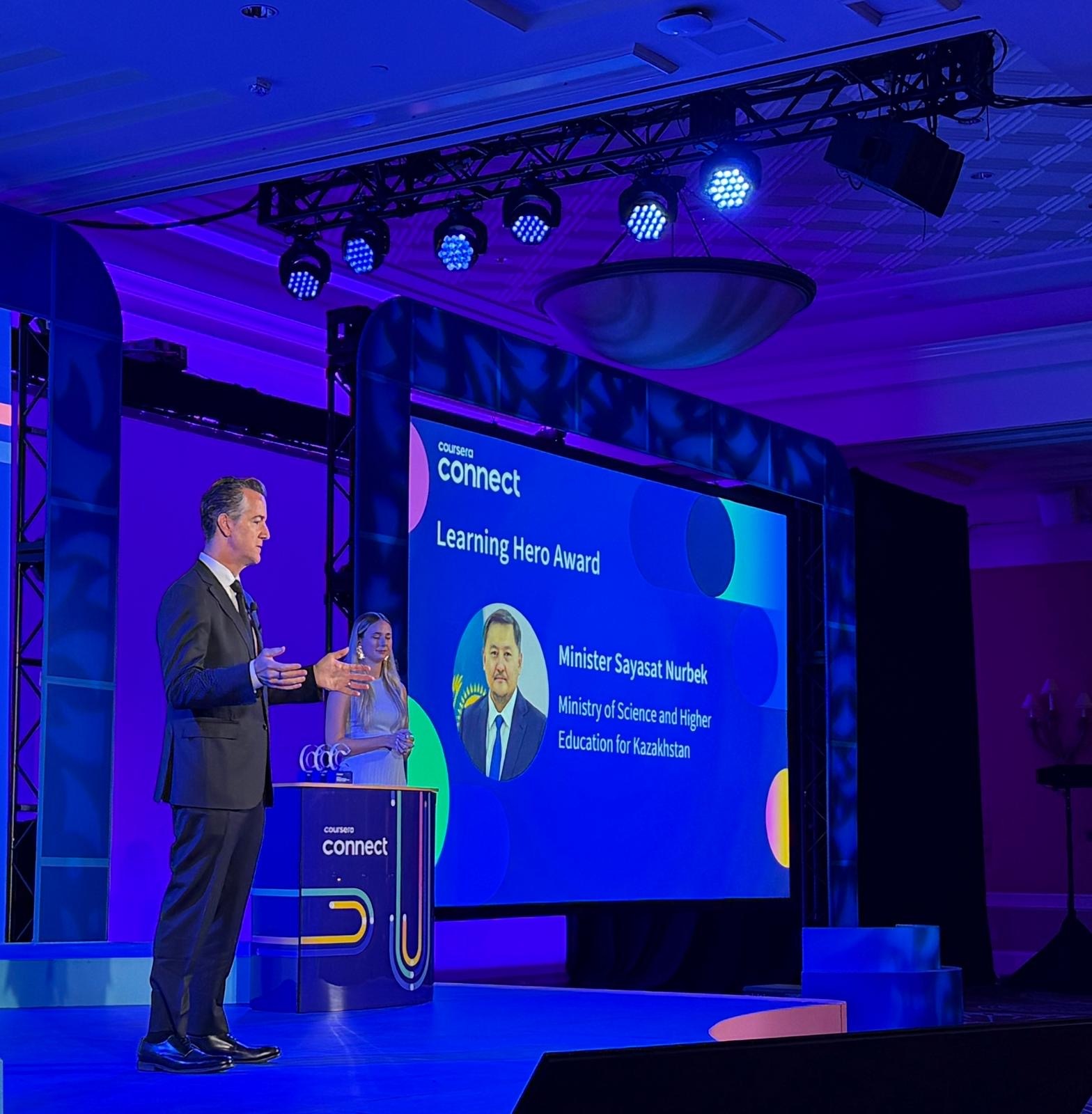
In an era of rapid digital transformation, national higher education systems must evolve to equip students with the skills demanded by the global labor market. Kazakhstan's Ministry of Science and Higher Education provides a successful model: by renewing and expanding its partnership with Coursera, it has institutionalized world-class learning for credit, integrated AI literacy at scale, and promoted the national language in online education. This guide outlines the key steps taken by the Ministry, offering actionable insights for other institutions or governments seeking to replicate this approach. From setting strategic goals to measuring impact, each step is grounded in the real-world results achieved: over 235,000 students reached, 500,000 certificates earned, and more than 4,000 courses translated into Kazakh.
What You Need
- Strategic vision: Clear objectives for modernizing curricula, closing skills gaps, and improving employability.
- Government or institutional mandate: Authority to negotiate partnerships and integrate for-credit courses into existing degree programs.
- Budget allocation: Funding for licensing, content translation, and promotion (if applicable).
- Technical infrastructure: Reliable internet access for students and faculty, plus a learning management system (LMS) compatible with the partner platform.
- Local language resources: Translators or linguists to adapt course content into the national tongue.
- Partner platform: A global online learning provider like Coursera, with a catalog of for-credit courses and micro-credentials.
Step-by-Step Guide
Step 1: Define National Education and Skills Priorities
Begin by assessing the current state of higher education and the labor market. Identify critical skill gaps—such as data science, cybersecurity, AI, engineering, and finance—that align with global digital economy demands. Set measurable goals, like the number of students to be reached or certificates to be earned. Kazakhstan’s Ministry, for example, prioritized modernizing curricula and equipping all graduates with foundational AI knowledge through the AI-Sana initiative. This step ensures the partnership directly addresses national needs.
Step 2: Select a Strategic Partner
Choose an online learning provider with a vast, reputable catalog. Look for platforms that offer for-credit courses transferable via recognized credit systems (e.g., ECTS). Kazakhstan partnered with Coursera, which provides over 13,500 courses from more than 375 leading companies and universities. The partner should also support industry-recognized certifications in high-demand fields like AI, cybersecurity, and finance. Evaluate the platform’s ability to scale, localize content, and integrate with your existing academic framework.
Step 3: Formalize the Partnership Agreement
Negotiate terms that cover licensing, credit recognition, data sharing, and reporting. Ensure the agreement includes provisions for institutionalizing courses into university curricula. In Kazakhstan, Coursera for Campus became a fundamental pillar of the Ministry’s higher education strategy. The agreement should specify how courses will be taken for credit, how ECTS credits will be awarded, and how student performance will be tracked. Also, establish a timeline for rollout, including pilot phases or phased expansion across universities.
Step 4: Integrate Courses for Academic Credit
Work with individual universities to map Coursera courses to existing degree programs. Enable students to earn official transferable ECTS credits by completing job-relevant certifications. Provide faculty training on how to incorporate online content into their teaching. The Ministry of Science and Higher Education used this approach to bridge the gap between curriculum and careers. As a result, over 500,000 certificates have been earned across more than 100 Kazakhstani universities.
Step 5: Launch an AI Literacy Initiative at Scale
Recognize that AI literacy is now a foundational skill for all graduates, regardless of field. Provide widespread access to introductory courses, such as Google AI Essentials and advanced content like Building with the Claude API from Anthropic. Make available 1,100+ GenAI courses to support the initiative (called AI-Sana in Kazakhstan). This ensures every student enters the workforce with a basic understanding of generative AI and digital ethics.
Step 6: Localize Content into the National Language
To overcome language barriers and promote the national tongue, translate priority courses into the local language. Kazakhstan translated over 4,000 courses on topics including AI, GenAI, data science, and machine learning into Kazakh. This step extends access to students who may not be fluent in English, ensuring equity in educational opportunities. Work with translators subject-matter experts to maintain content quality.
Step 7: Monitor, Evaluate, and Scale
Continuously track key performance indicators: number of students reached, certificates earned, credit completions, and student feedback. Use this data to refine the partnership. For example, Kazakhstan saw over 235,000 students engaged within two years. Based on results, expand the catalog, add new courses, or deepen integration with university systems. Regularly communicate successes to stakeholders to secure ongoing support.
Tips for Success
- Start with a pilot: Test the partnership with a few universities before scaling nationally. This allows you to iron out logistical and pedagogical issues.
- Engage faculty early: Provide professional development to professors so they can effectively blend online content into their courses. Faculty buy-in is crucial for credit integration.
- Prioritize high-demand skills: Focus initial efforts on fields with clear job market demand (e.g., data science, cybersecurity) to demonstrate quick wins.
- Use the partner’s resources: Coursera offers analytics and support for institutional partners—take advantage of these to streamline reporting and impact assessment.
- Communicate the vision: Publicly share the partnership’s goals and achievements to build momentum and attract additional funding or partners.
- Plan for sustainability: Ensure the partnership is embedded in national education policy, not just a short-term project. Kazakhstan’s renewal demonstrates commitment over time.
- Celebrate milestones: Recognize student achievements (e.g., certificates) through ceremonies or digital badges to boost motivation and visibility.
Related Articles
- Python Community Unveils Hands-On Tkinter Calculator Tutorial for Beginners
- 10 Key Takeaways from Jensen Huang's CMU Commencement Speech: Your Career at the Dawn of AI
- Despite Overall Decline, Tech Industry Continues to See High Layoff Numbers in 2026
- Navigating Fedora Community Governance: Lessons from the AI Developer Desktop Initiative
- Coursera Brings AI-Powered Learning Directly into Microsoft 365 Copilot
- Unlocking Efficient LLM Inference with TurboQuant's KV Compression
- Building a Client-Side PDF to Image Converter with JavaScript
- New Data Generation Methods Break AI Training Bottleneck with Minimal Examples