CAR T Therapy Breaks Into Autoimmune Frontier: First Patient Treated for Multiple Sclerosis
Breaking: A groundbreaking cancer treatment is now targeting autoimmune diseases, with the first multiple sclerosis patient enrolled in a clinical trial at the University of Nebraska Medical Center. The therapy, known as CAR T cell therapy, has already shown remarkable success in blood cancers and is now being tested in over 200 trials for conditions like lupus, Graves' disease, and vasculitis.
Jan Janisch-Hanzlik, 49, of Blair, Nebraska, became the first participant in the MS trial after her condition worsened despite standard medications. "I was afraid to carry my grandchildren because of frequent falls," she said. "I called the clinic every other month until they enrolled me." Her story highlights the urgent need for new options in autoimmune care.
Background
CAR T therapy works by reprogramming a patient's own immune cells to hunt and destroy specific targets. In cancer, those targets are malignant cells. In autoimmune diseases, the goal is to eliminate rogue immune cells that attack healthy tissue, essentially resetting the body's defenses to a pre-disease state.
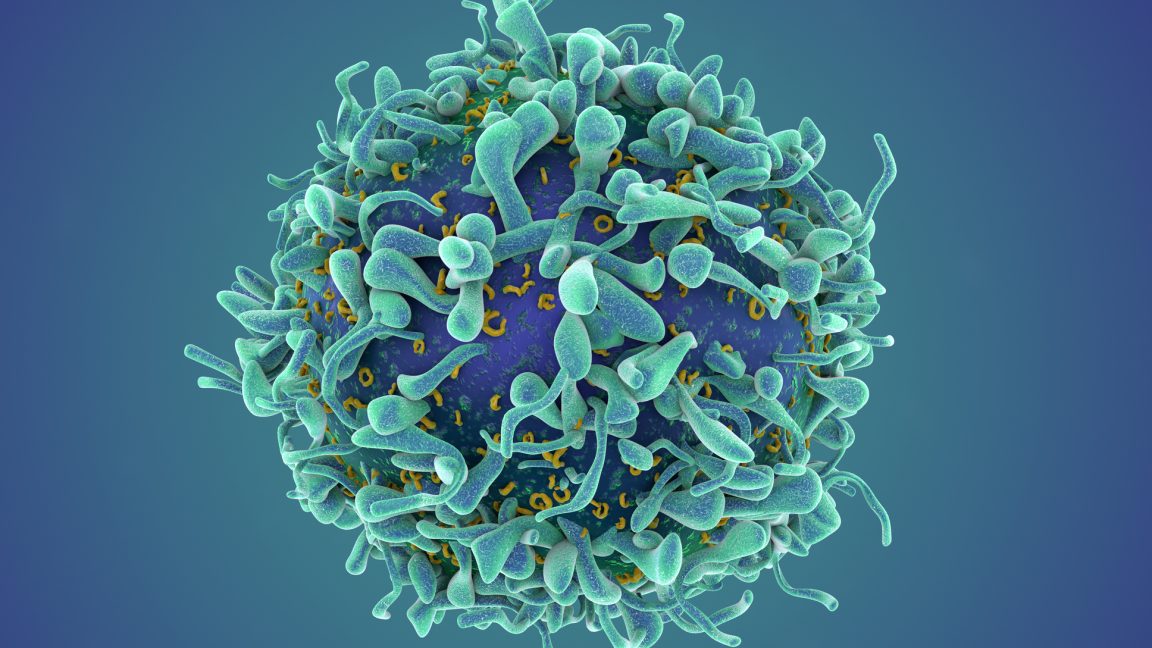
The approach has shown promise in early studies for lupus and other conditions. Researchers believe it could offer a one-time treatment that halts disease progression, unlike current therapies that only manage symptoms. The Nebraska trial focuses on multiple sclerosis, a debilitating disease affecting over 2.8 million people worldwide.
What This Means
If successful, CAR T therapy could transform autoimmune treatment, offering a potential cure rather than lifelong management. Patients like Janisch-Hanzlik, who had to give up nursing and move to a wheelchair-accessible home, may regain their independence.
Experts caution that more data is needed. "We're optimistic but rigorous trials are essential," said Dr. James L. Neill, a lead investigator at the center. The next few years will determine whether CAR T becomes a standard option for millions of autoimmune patients globally.
For Janisch-Hanzlik, the trial represents hope. "I want to carry my grandchildren again without fear," she said. Her journey could redefine the boundaries of cellular therapy.
Related Articles
- Global Alarm: WHO Elevates DRC Ebola Outbreak to International Health Emergency
- How to Explore Gut Microbiome Strategies for Kidney Protection: Insights from Recent Lubiprostone Research
- TrumpRx Expands: White House Teams Up with Amazon, GoodRx, and Mark Cuban to Lower Drug Costs
- How to Track Antibiotic Resistance in Soil Amidst Climate Change: A Step-by-Step Guide Based on an 11-Year Study
- FDA Commissioner Resigns Amid Controversy Over Vaccine Policy Shift
- From One Child's Life-Saving Custom Drug to a Biotech Revolution: Julia Vitarello's New Quest for Scalable Personalized Therapies
- A Step-by-Step Guide to Neoadjuvant Immunotherapy for Colorectal Cancer: The Pembrolizumab Breakthrough
- The Ancient Mind-Body Exercise That Works Like a Blood Pressure Medication