Boost Recycling Plant Throughput: Implementing Electric Autonomous Material Handlers
Introduction
Recycling plants in Europe are constantly seeking ways to improve efficiency, reduce costs, and lower emissions. German equipment manufacturer Sennebogen has demonstrated a groundbreaking solution: a semi-autonomous material handler that pairs an electric wheeled excavator, a mobile battery pack, and a mobile shredder. This integrated system promises to significantly boost throughput and operational efficiency. In this step-by-step guide, we’ll show you how to replicate the principles behind this innovation in your own facility—whether you’re upgrading existing equipment or planning a new setup.
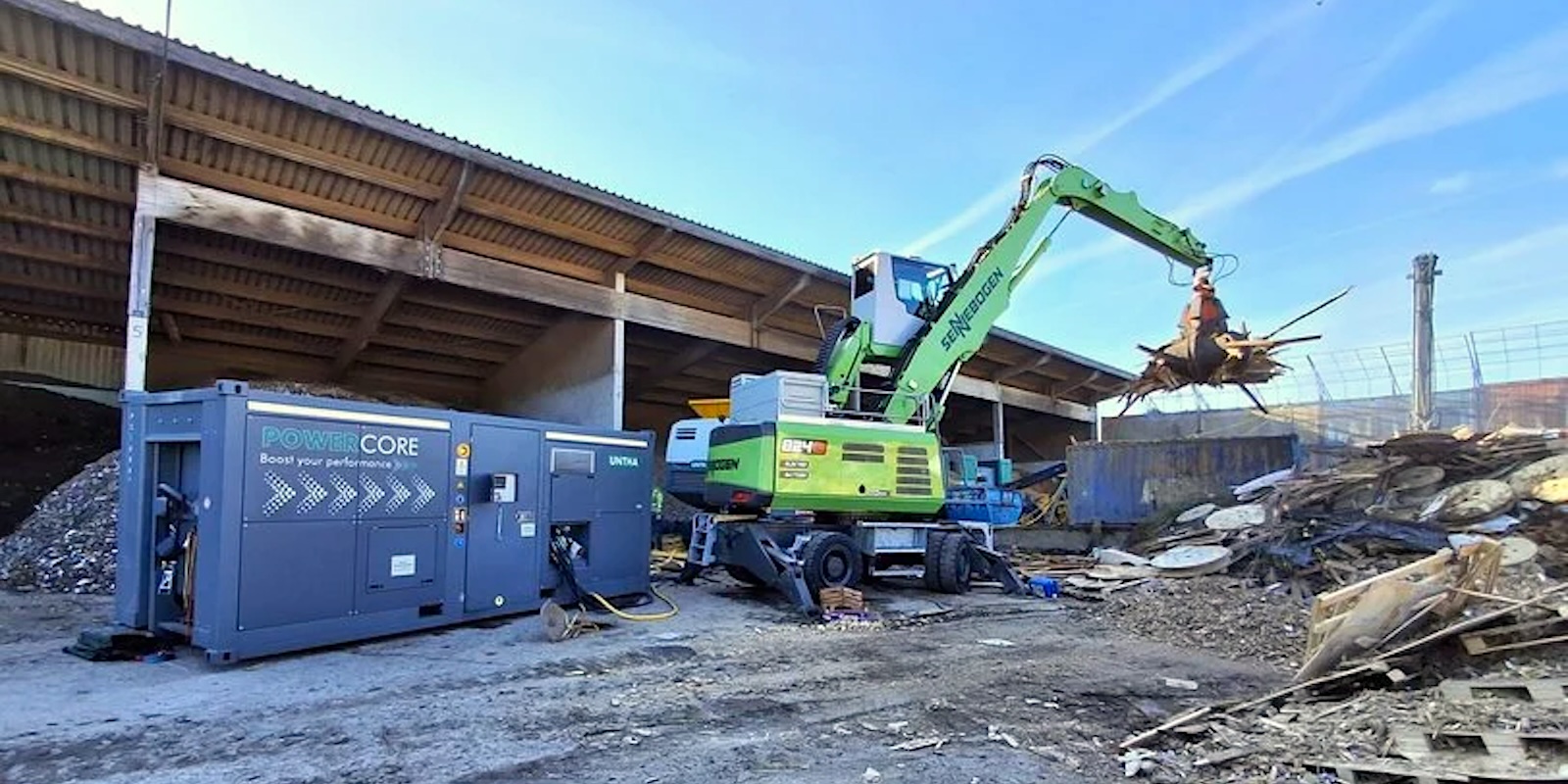
What You Need
- Electric wheeled excavator (e.g., Sennebogen model equipped for autonomous control)
- Mobile lithium-ion battery storage unit (high capacity, fast charging)
- Mobile shredder (compatible with the excavator’s material handling capabilities)
- Autonomous control software (semi-autonomous or fully autonomous operation)
- Communication system (Wi-Fi, 5G, or industrial IoT for real‑time data exchange)
- Site survey data (plant layout, material flow, power infrastructure)
- Safety equipment (sensors, emergency stop systems, perimeter guards)
- Trained personnel (operators, maintenance staff, and automation engineers)
Step‑by‑Step Guide
- Step 1: Assess Your Current Recycling Workflow
Begin by mapping out the existing material handling process. Identify bottlenecks where material moves from sorting to shredding. Measure current throughput in tons per hour, energy consumption, and downtime. This baseline data will help you quantify improvements. Note any areas where manual operation is inconsistent or where diesel-powered machinery is costly to run. - Step 2: Evaluate Site Infrastructure for Electric Equipment
Check your plant’s electrical capacity. The electric wheeled excavator and mobile battery require a reliable power source. Determine where to place the battery unit for fast charging without interrupting workflow. If needed, upgrade transformers or install dedicated charging stations. Also, ensure the ground is stable enough for wheeled equipment (e.g., reinforced concrete or steel plates). - Step 3: Select Compatible Electric and Autonomous Components
Choose an electric wheeled excavator that can be retrofitted with autonomous controls—Sennebogen’s solution uses a standard model with added sensors and software. Pair it with a mobile battery that has at least 100 kWh capacity for a full shift of operation. For the shredder, pick a mobile unit that accepts the excavator’s grapple or magnetic separator output. Verify that all components can communicate via a common automation platform. - Step 4: Install Sensors and Autonomous Control System
Fit the excavator with LiDAR, cameras, and proximity sensors. Install the autonomous control unit (a ruggedized computer running real‑time OS). Configure the system to follow pre‑programmed routes between stockpiles and the shredder. Use SLAM (Simultaneous Localization and Mapping) algorithms to allow the machine to navigate dynamic environments. The control software should also monitor battery level and automatically trigger charging when needed. - Step 5: Integrate the Mobile Battery and Charging System
Position the mobile battery near the shredder or a central point to minimize cable runs. Connect it to the grid or a renewable energy source (solar/wind) for green operation. The battery should communicate with the excavator to schedule charging during low‑load periods. Install a charging pad or plug‑in connector that the excavator can dock with autonomously. - Step 6: Program Workflows for Semi‑Autonomous Operation
Define tasks: the excavator picks material from a designated pile, transports it to the shredder infeed, and returns. Use the automation software to set cycle times, safe distances, and emergency behaviors. For example, the excavator should pause if a person enters the work zone. Test the workflow in a simulated environment before live deployment. Sennebogen’s demo showed a 30% increase in throughput by optimizing the excavator’s path. - Step 7: Train Your Team and Run Pilot Tests
Train operators on supervisory roles—they will monitor the system from a control room and intervene only if needed. Maintenance staff must learn to service electric drivetrains and calibrate sensors. Run a week‑long pilot with a single cell (excavator → shredder). Measure time per cycle, battery drain, and material throughput. Adjust parameters based on real‑world data. - Step 8: Scale Up and Optimize Continuously
Once the pilot proves stable, expand to multiple handling zones. Use the data collected to refine routes, charging schedules, and material feeding rates. Sennebogen’s solution demonstrated that combining an electric wheeled excavator, mobile battery, and mobile shredder can improve overall plant efficiency by reducing idle time and eliminating diesel‑related maintenance. Monitor energy costs and carbon savings to justify further investment.
Tips for Success
- Start small: Implement the system in one high‑traffic area before rolling out across the entire plant.
- Leverage predictive maintenance: Use sensor data to forecast battery health and motor wear, minimizing unplanned downtime.
- Integrate with plant MES: Connect the autonomous system to your Manufacturing Execution System for real‑time production tracking.
- Consider noise regulations: Electric equipment is much quieter than diesel—this can be a major advantage in urban or night‑shift operations.
- Plan for extreme weather: Ensure battery enclosures are temperature‑controlled to maintain performance in hot or cold climates.
- Stay updated on standards: Follow European safety directives for autonomous machinery (e.g., ISO 3691-4 for driverless industrial trucks).
By following these steps, you can emulate Sennebogen’s innovative approach to recycling plant automation. The combination of electric drive, mobile energy storage, and semi‑autonomous control not only boosts throughput but also lowers operating costs and carbon footprint—a win‑win for efficiency and sustainability.

Related Articles
- Putting People First: A Step-by-Step Guide to XPENG’s Human-Centered Tech Innovation Process
- V8's Performance Boost: Mutable Heap Numbers Unveiled
- Kia’s Vision Meta Turismo: The Futuristic EV Sports Car That’s Almost Production Ready
- The Ultimate Guide to Owning and Riding the Macfox X7: A Street-Legal Electric Moped
- Ride1Up Portola Folding E-Bike Hits Record Low $795 in Major Clearance Event – EGO Power Station Rare Deal Also Drops
- Flutter and Dart Take Center Stage at Google Cloud Next 2026: Full-Stack Firebase, GenUI Revealed
- Navigating the New EPA Flaring Guidance: A Guide for Oil and Gas Operators
- Unlocking AI Efficiency: How Sparsity and New Hardware Could Revolutionize Large Language Models