Vitamin B2 Shield Helps Cancer Cells Evade Death, Study Finds
Scientists have discovered that vitamin B2 may help cancer cells survive by reinforcing a cellular shield that protects tumors from a critical form of programmed cell death. The finding, published today, reveals a surprising dark side to a common nutrient and suggests a new vulnerability in cancer treatment.
In laboratory experiments, researchers used a vitamin B2-like compound called roseoflavin to break down that protective barrier, triggering cancer cell death. The study shows that blocking vitamin B2's action could open a new pathway for attacking hard-to-treat tumors.
“This changes our understanding of how tumors resist ferroptosis, a natural cell death process that suppresses cancer,” said Dr. Elena Marchetti, lead researcher at the Institute for Cancer Biology. “We now have a potential target that was hiding in plain sight.”
Background
Ferroptosis is a form of regulated cell death driven by iron-dependent oxidative damage. It acts as a natural brake on tumor growth, but cancer cells often evolve mechanisms to evade it.
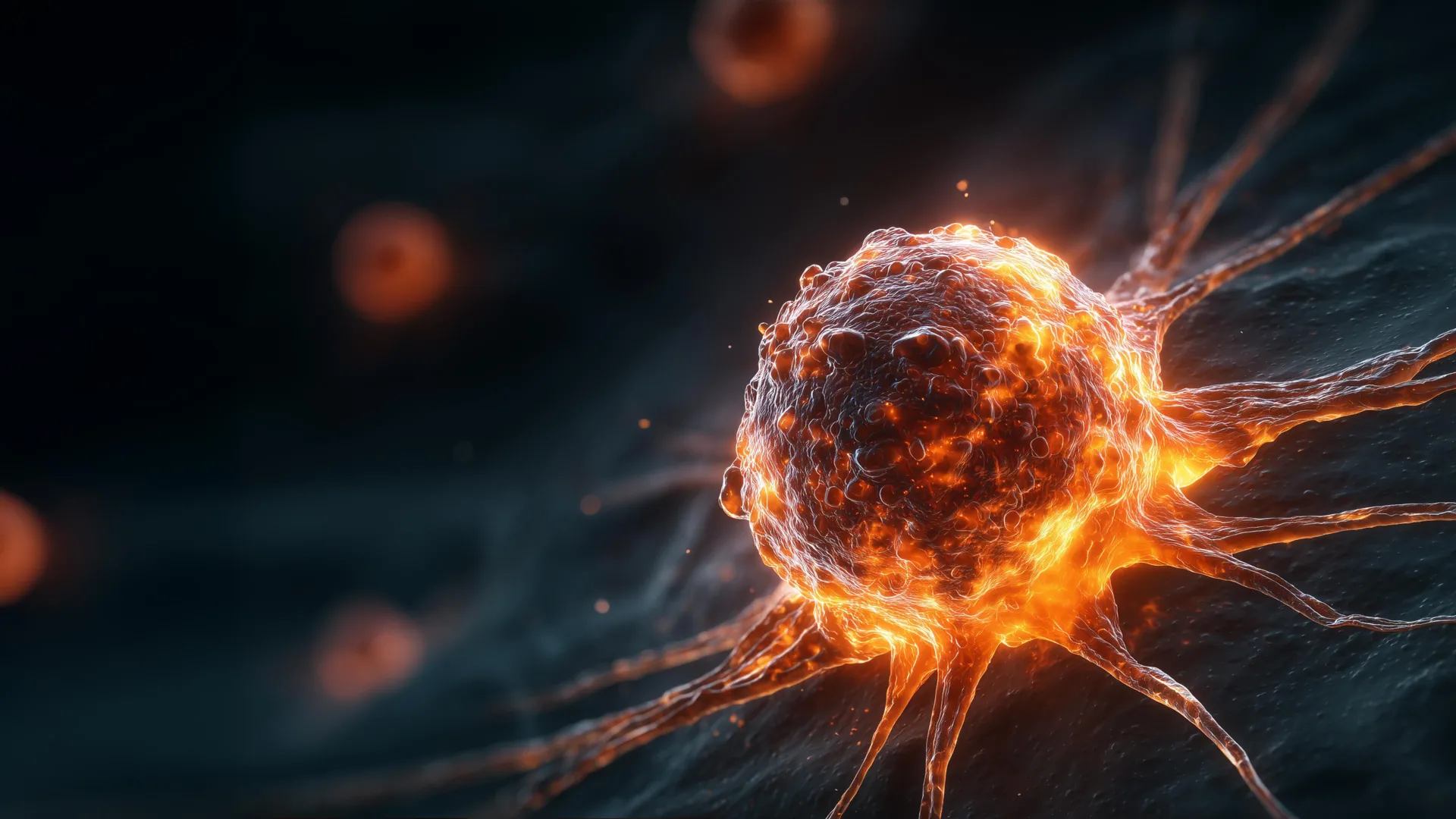
Vitamin B2 (riboflavin) is essential for normal cellular metabolism, including the production of coenzymes that support antioxidant defenses. The new research shows that these same defenses also shield cancer cells from ferroptosis, effectively keeping them alive.
“The vitamin is like a double-edged sword,” explained Dr. James Huang, a co-author from the University of California. “It’s necessary for healthy cells, but tumors hijack it for protection.”
The team tested roseoflavin, a riboflavin analog that interferes with the vitamin's normal function. In cell lines and mouse models, the compound dismantled the shield and allowed ferroptosis to proceed.
What This Means
The discovery could lead to new therapies that combine roseoflavin—or similar agents—with existing drugs that trigger ferroptosis. Such combinations might prove especially effective against cancers that are currently resistant to treatment, including pancreatic and ovarian tumors.
However, researchers caution that much work remains. Because vitamin B2 is critical for healthy cells, any therapy would need to be precisely targeted to avoid harming normal tissues.
“We are now exploring how to deliver roseoflavin specifically to cancer cells,” Dr. Marchetti said. “The potential is real, but we must be careful not to disrupt essential B2 functions elsewhere in the body.”
The study is published in Nature Cell Biology. Clinical trials are expected to begin within two to three years.
This is a breaking news story. More details will be added as they become available.
Related Articles
- 7 Crucial Insights: How Drone Radar Is Revolutionizing Mars Water Exploration
- New Benchmark Exposes Hidden Culprits in Multi-Agent AI Systems: Researchers Uncover Which Agent Fails and When
- Critical Flaw Turns VECT Ransomware into Unintentional Data Wiper for Large Files
- Thinking Machines Lab Unveils Interactive AI Models That Think and Respond in Real Time
- From Volunteer to Co-Author: How NASA Citizen Scientists Contribute to Peer-Reviewed Research
- Next-Generation Mars Helicopters: JPL Engineers Push Rotorcraft Boundaries After Ingenuity's Triumph
- Build Your First WebAssembly App Entirely in the Browser: A Step-by-Step Guide
- Finitist Mathematician Declares: Infinity Is a Myth That Holds Back Science