6 Key Insights Into Texas' Rural Data Center Ban: What You Need to Know
Data centers have become the backbone of the digital age, but their rapid expansion into rural Texas is sparking fierce debate. In Hill County, local leaders recently passed a one-year moratorium on new data center projects, citing concerns over environmental impact and community disruption. Yet this ban faces legal challenges and political scrutiny, with a state senator questioning its legality. Here are six essential facts about this unfolding story, from the ban's details to the broader implications for AI and rural regulations.
1. Hill County's One-Year Moratorium on Data Centers
In a bold move, Hill County commissioners approved a year-long halt on all new data center developments. This pause gives local authorities time to study how these massive facilities affect the surrounding community, including water usage, noise pollution, and strain on infrastructure. The ban applies to rural areas within the county, where data centers have been flocking due to cheaper land and fewer zoning restrictions. While the moratorium is temporary, it signals a growing pushback against unbridled tech expansion in Texas' countryside.
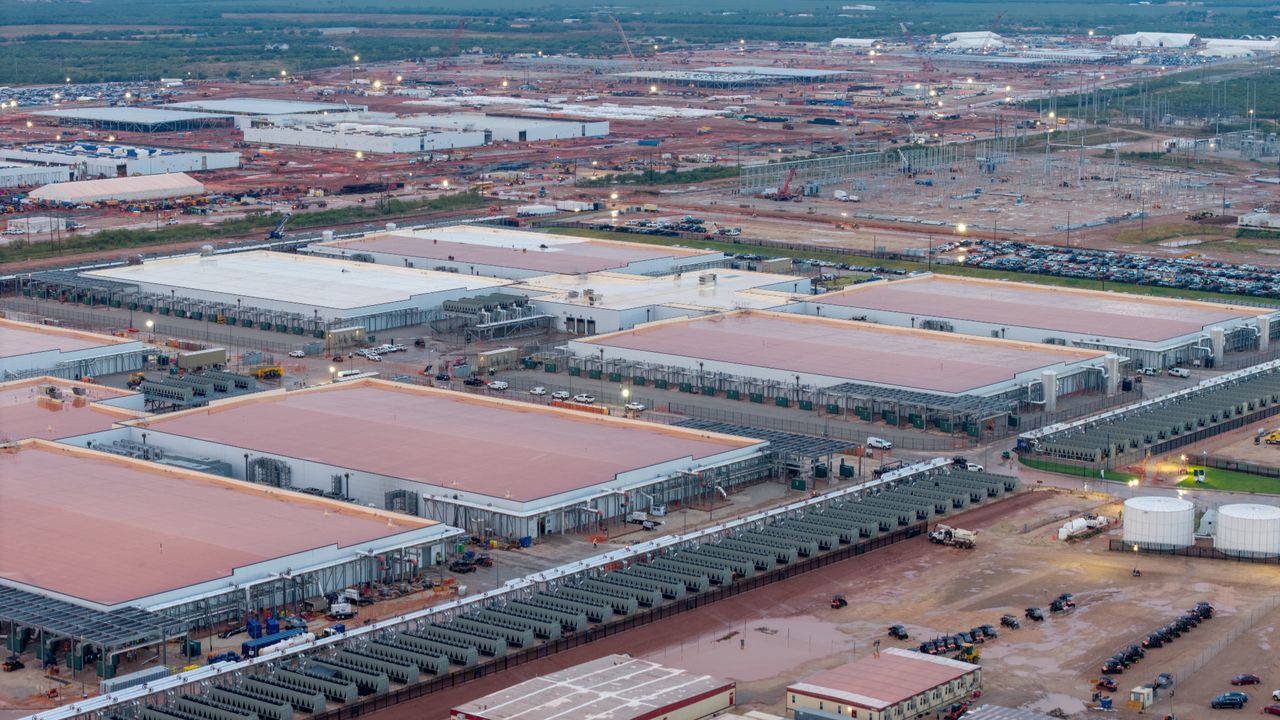
2. Why AI Data Centers Are Moving to Remote Areas
The surge in artificial intelligence has driven demand for data centers that require vast amounts of energy and cooling. Rural areas offer attractive incentives: lower taxes, laxer regulations, and ample space. Developers often target these remote spots to avoid stricter environmental rules in urban centers. Hill County's ban is a direct response to this trend, with residents worried about noise from backup generators, increased traffic, and water depletion—resources essential for local agriculture.
3. County Attorney Warns of Legal Risks
Even as the moratorium passed, the county's legal counsel raised red flags. The County Attorney cautioned that the ban could lead to lawsuits from data center companies that had already invested in the area. Developers might argue that the moratorium violates property rights or state laws favoring commerce. This warning highlights the delicate balance between local control and business interests, a tension that could end up in court if Hill County refuses to lift the ban after its one-year period.
4. State Senator Seeks Attorney General Investigation
Texas State Senator Charles Perry, a Republican, has asked the State Attorney General to investigate counties imposing such bans. Perry argues that local moratoriums on data centers may be illegal under Texas law, which often preempts local regulations that hinder economic development. His request could lead to a legal opinion that strikes down similar bans across the state. For Hill County, this adds another layer of uncertainty: the county might face not only civil suits but also state-level intervention.

5. The Bigger Picture: Skirting Regulations in Rural America
Hill County's ban is part of a larger pattern. AI companies have been scouting remote areas nationwide to dodge urban regulations on noise, emissions, and land use. This 'regulatory arbitrage' allows them to build fast but often sparks local backlash. Other states, like Virginia and Arizona, have seen similar conflicts. The Texas situation could set a precedent: if the ban is upheld, it might embolden other rural counties to impose their own restrictions, reshaping where data centers locate in the future.
6. What's Next for Hill County and Data Center Regulation?
Over the next year, Hill County will study the impacts of data centers, weighing economic benefits against community costs. The county commissioners hope to draft permanent rules that balance growth with local needs. Meanwhile, legal challenges loom, and the state senator's investigation could force a resolution sooner. For the tech industry, this case underscores the need to engage with rural communities transparently. The outcome may influence data center siting strategies not just in Texas, but across the country.
In conclusion, Hill County's one-year data center ban is more than a local decision—it's a test case for how rural America handles the AI boom. With legal threats from developers and a state-level probe, the county must navigate a complex web of interests. As the moratorium unfolds, it will offer valuable lessons on the limits of local autonomy and the fierce competition between Silicon Valley ambitions and small-town values. Stay tuned as this story develops.
Related Articles
- The Surprising Legal Battle: 10 Key Facts About Dua Lipa's $15 Million Lawsuit Against Samsung
- Google I/O 2026 Unveiled: Pixelated Podcast Episode 101 Highlights
- OpenAI Enters Smartphone Market: Exclusive AI-Powered Device Expected by 2027
- Fighting Back Against Digital Surveillance Abuse: A Q&A Guide from the EFF
- Azure IaaS Security: A Layered Defense Strategy Rooted in Secure Engineering Principles
- Tech Accountability in Conflict Zones: Microsoft’s Human Rights Wake-Up Call
- Team Group Settles $1.1 Million DRAM False Advertising Lawsuit: What It Means for Consumers
- 8 Things You Need to Know About the Android Browser That Replaced Chrome, Firefox, and Samsung Internet