The Rise and Fall of Heathkit: A DIY Electronics Legend
Heathkit was more than a company; it was an institution for electronics enthusiasts. From its humble beginnings in 1947 using military surplus to its peak as a major player in ham radio and personal computers, Heathkit empowered thousands to build their own gear. But changing markets and corporate neglect led to its decline. Here we answer common questions about this iconic brand.
How did Heathkit get its start?
Heathkit began in 1947, founded by Edward Heath. The company initially built model airplane kits, but soon pivoted to electronics after discovering a niche. The first product was an oscilloscope kit made from surplus military parts, priced at under $40. To put this in perspective, a pound of bacon cost about 64 cents at the time, and a commercial oscilloscope would have set you back at least $400. That incredible price difference made Heathkit's kit an instant success. The oscilloscope was simple enough for hobbyists to assemble but functional enough for serious electronics work. This launch set the stage for decades of kit production, covering a vast range of products.
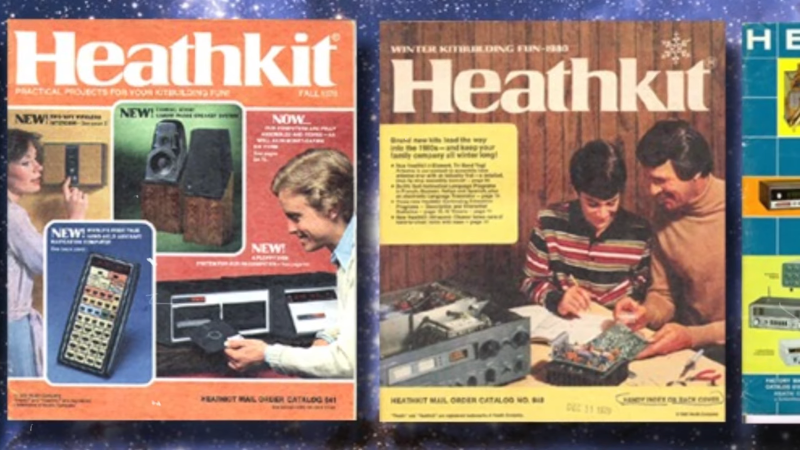
What made Heathkit instruction manuals so famous?
Heathkit's manuals were legendary for their clarity and thoroughness. They were written in plain language, with step-by-step instructions that assumed no prior electronics knowledge. Each manual included detailed diagrams, explanations of how the circuit worked, and tips for troubleshooting. This approach made it possible for anyone—from teenagers to retirees—to assemble complex devices like ham radios or televisions. But the manuals didn't just teach assembly; they also provided deep understanding. Users often reported learning electronics theory just by reading the manuals. The combination of simplicity and depth built a loyal customer base, and many enthusiasts still treasure these manuals as educational resources. This commitment to quality instruction was a key factor in Heathkit's popularity among ham radio operators.
What kinds of products did Heathkit offer?
Heathkit's product line was astonishingly diverse. Beyond the initial oscilloscope, they produced kits for ham radio transceivers and receivers, early personal computers like the Heathkit H8 and H89, and a range of test equipment such as voltmeters and signal generators. They also ventured into home entertainment, offering television kits and hi-fi audio components. For hobbyists, there were radio-controlled model airplane kits and even weather stations. At its peak, the company sold hundreds of different kits, each designed to be built by the customer. This breadth made Heathkit a one-stop shop for electronics enthusiasts, whether they wanted to communicate across the globe or build their own TV set.
Why did Heathkit become so popular in the ham radio community?
Heathkit's products were a perfect fit for amateur radio operators, or hams. The company offered a wide array of transceivers, amplifiers, and antenna tuners in kit form. Building a Heathkit was often more affordable than buying a commercial rig, and it allowed hams to customize and repair their gear easily. The detailed manuals also helped operators understand their equipment deeply, which was crucial for making modifications. Additionally, the kits fostered a sense of community—many hams shared tips and organized build parties. Heathkit became synonymous with ham radio DIY culture, and even today, used Heathkit radios are prized by collectors and enthusiasts who appreciate the quality and the history.
What caused Heathkit's decline and eventual shutdown?
Several factors contributed to Heathkit's decline. The primary cause was the acquisition by Zenith Electronics in the 1970s. Zenith focused on its core television business and neglected the kit division. At the same time, the market for electronic kits shrank as consumer electronics became cheaper and more reliable. Why build a TV from scratch when you could buy one for less than the cost of the kit? Interest in DIY electronics waned, and Heathkit struggled to adapt. The company shifted to educational materials and home automation, but sales continued to slide. By 2012, with only six employees left from a peak of 1,800, Heathkit shut down operations. A recent revival effort has brought some hope, but the original era is long gone.
What happened to Heathkit after Zenith acquired it?
When Zenith bought Heathkit in the 1970s, many expected a bright future. Instead, Zenith's focus on the television market led to underinvestment in the kit business. New product development slowed, and the once-legendary manuals deteriorated as inexperienced writers took over. Customer service suffered, and the kits that did come out often had errors. The decline was gradual but unmistakable. By the 1980s, Heathkit's core customer base—electronics hobbyists—was shrinking. The company attempted to pivot into educational products and home automation systems, but without the visionary leadership of its early days, it never regained its footing. In 2012, after decades of diminishing sales, the company closed its doors for good.
Is Heathkit still around today?
In a limited form, yes. After the 2012 shutdown, a new group acquired the Heathkit brand and began selling some educational kits and manuals online. This revival focuses on STEM education and basic electronics kits, rather than the complex ham radios of the past. The new Heathkit is a much smaller operation, but it carries the legacy of clear instructions and build-it-yourself philosophy. However, there is little information about the current company's plans, and it remains to be seen whether it can capture the spirit of the original. For now, enthusiasts can still find original Heathkit gear at hamfests and online auctions, keeping the memory alive.
Related Articles
- Google Cloud Launches 'Fraud Defense' as Major Upgrade to reCAPTCHA Platform
- New npm Attack Vectors Emerge: Wormable Malware and CI/CD Pipeline Breaches Revealed
- Dirty Frag Vulnerability: How Two Linux Kernel Flaws Combine for Root Access
- Cybersecurity Expert to Deliver Keynotes on AI Trust and Digital Humanism Across Europe and U.S.
- Rethinking Cybersecurity Execution: A Guide to Automation and AI Integration at Machine Speed
- How to Identify and Mitigate PyPI Malware Attacks Using Zulip APIs
- AI-Powered Vulnerability Discovery: How Enterprises Must Adapt Their Defenses
- April 2026 Patch Tuesday: 10 Critical Security Updates You Can't Ignore