Beyond the City Glow: Capturing the Cosmos with the Vaonis Vespera Pro
The Urban Astronomer's Dilemma
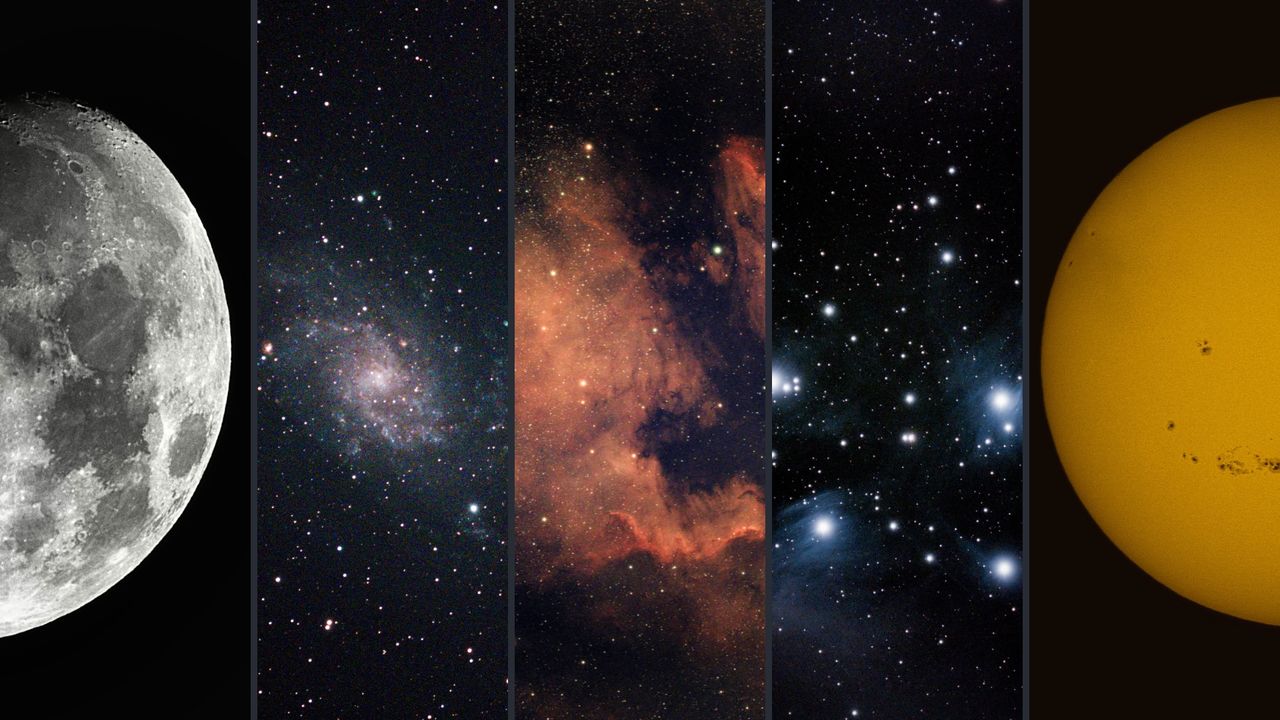
For many city dwellers, the dream of astrophotography seems perpetually out of reach. The pervasive orange haze of streetlights, the glare from neighboring windows, and the constant hum of urban life create a luminous curtain that obscures the faintest celestial objects. I once believed my backyard—hemmed in by terraced houses and bathed in artificial light—was a lost cause for deep-sky imaging. That was until I encountered the Vaonis Vespera Pro, a telescope designed to challenge the assumption that light pollution spells doom for amateur astronomy.
The Reality of Light Pollution
Before delving into solutions, it's important to understand why light pollution frustrates traditional telescopes. Urban skies can be up to 100 times brighter than pristine dark-sky locations. This excess brightness washes out faint galaxies and nebulae, making them nearly invisible in long exposures. Conventional astrophotography relies on dark frames and filters, but even then, post-processing struggles to salvage details from a bright background. The result? Many urban astrophotographers resign themselves to lunar and planetary shots, never venturing into deep space.
Enter the Vaonis Vespera Pro
The Vespera Pro is not your grandfather's telescope. It's a smart, automated observatory that integrates advanced optics, a sensitive camera, and intelligent software to mitigate light pollution's effects. The key lies in its ability to capture data quickly and process it in real time, effectively revealing details that would otherwise be lost in the ambient glow.
How It Works
The telescope uses a 50mm f/5 refractor with a built-in very narrowband filter. This filter is tailored to the wavelengths emitted by ionized hydrogen (H-alpha), oxygen (O-III), and sulfur (S-II)—the primary colors of many emission nebulae. By isolating these specific lines, the filter rejects most of the artificial light from streetlights and houses, which is primarily composed of broad-spectrum white and yellow light. The result is a remarkable increase in contrast.
Additionally, the Vespera Pro employs a technique called live stacking. Each short exposure (10–30 seconds) is aligned and stacked in real time, building up signal while minimizing noise. The onboard computer automatically adjusts exposure and focus, allowing the user to see an image improving before their eyes. This is crucial for urban conditions where light pollution introduces gradient and noise that would otherwise accumulate.
First Light: A Personal Test
Setting up the Vespera Pro in my 8x10 meter backyard, surrounded by two-story homes and a glaring security light from a neighbor's shed, I was skeptical. The sky looked washed out, with only a handful of the brightest stars visible. The telescope's integrated GPS and plate-solving technology quickly oriented itself. I selected the Orion Nebula (M42)—a classic target—from the app. Within minutes, the live view began to populate with faint wispy structures. After 15 minutes of stacking, the familiar shape of the nebula emerged, complete with the Trapezium cluster and delicate filaments. The light pollution had been suppressed to the point where even the nebula's red hydrogen regions appeared, albeit with some processing required in post.
Unexpected Deep-Sky Success
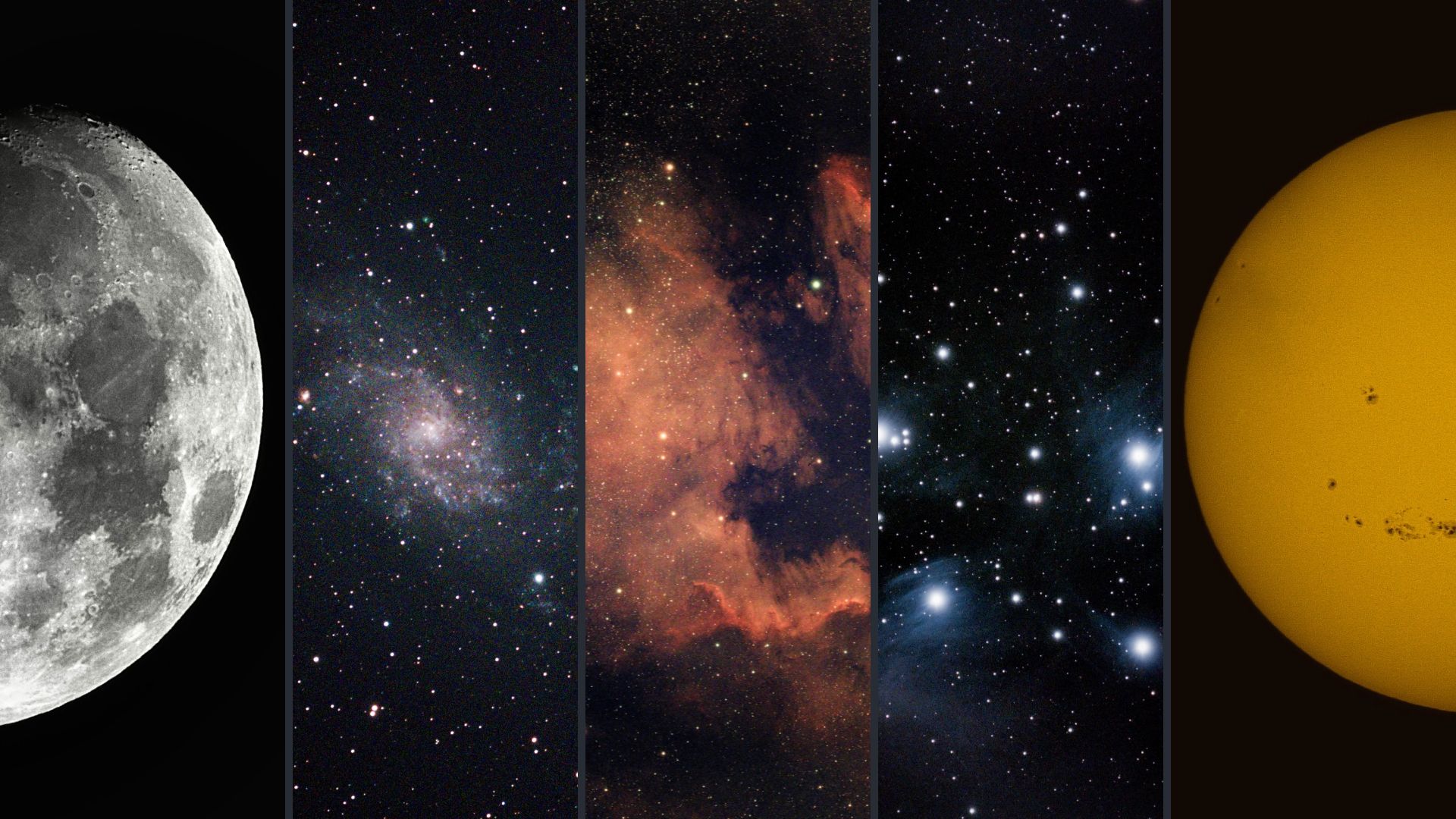
Encouraged, I attempted more challenging targets: the Whirlpool Galaxy (M51) and the Ring Nebula (M57). To my astonishment, both were captured with distinct spiral arms and central cores. The Whirlpool Galaxy's tidal debris was visible, while the Ring Nebula's donut shape stood out against a surprisingly dark background. A quick comparison with images from dark-sky locations revealed that although the city images had a slightly higher noise floor, the essential details were fully intact. The Vespera Pro's processing pipeline even applied artificial flat-fielding to compensate for vignetting and dust motes.
Beyond the Hype: Practical Considerations
Is the Vespera Pro a magic wand against light pollution? Not entirely, but it's a powerful tool when used correctly. The narrowband filter is essential—without it, the telescope would struggle like any other. The trade-off is that it's limited to emission nebulae and some galaxies; broad-spectrum objects like globular clusters or reflection nebulae won't benefit as much. However, for the urban astrophotographer focused on deep space, this is a game changer.
Tips for Maximizing Results
- Choose the right targets: Emission nebulae (like the Orion Nebula, Lagoon Nebula, or Eagle Nebula) benefit most from narrowband imaging. Galaxies with strong H-II regions (e.g., M33) also respond well.
- Optimize your location: Even in a light-polluted backyard, shield the telescope from direct light sources. A simple black cloth draped over a fence can help reduce stray light entering the lens.
- Use post-processing wisely: While the Vespera Pro's live stacking is impressive, fine-tuning in software like Photoshop or Siril can further reduce gradients and enhance contrast.
Conclusion: A New Era for Urban Astrophotography
The Vaonis Vespera Pro upends the conventional wisdom that deep-space imaging requires a remote dark site. By combining a sensitive camera, narrowband filtration, and intelligent stacking, it transforms a city backyard into a viable observatory. My experience proved that even in a sea of streetlights, the universe can yield its secrets. For anyone constrained by light pollution but hungry for deep-sky views, this telescope is a compelling—and remarkably effective—solution.
Editor's note: This article recounts a personal experience with the Vaonis Vespera Pro. Results may vary depending on local conditions and targets.
Related Articles
- 5 Crucial Insights from the Colombia Summit: Is a Fossil Fuel Exit Finally in Sight?
- Revolutionary Super Steel: Transforming Green Hydrogen Production from Seawater
- How to Harness Coffee's Hidden Power for Gut Health and Mental Clarity
- 10 Crucial Insights into AI Thinking Time and Why It Boosts Performance
- 5 Surprising Ways Electricity Could Perfect Your Coffee Brew
- Master Your Overstimulation: A Step-by-Step Guide to Regaining Calm During a Hectic Day
- 10 Ways For All Mankind’s Finale Teases Apple TV’s Next Sci-Fi Blockbuster
- New Discovery: Towering Nematode Structures Revealed in Wild Orchards