How to Observe the Celestial Triangle of Mars, Saturn, and the Crescent Moon Before Dawn on May 14
Overview
On May 14, just before sunrise, a spectacular celestial alignment will grace the eastern sky: a razor-thin crescent moon will form a tight triangle with the planets Mars and Saturn. This trio will appear low on the horizon, set against the glowing twilight, offering a rare and beautiful sight for early risers. This guide will walk you through everything you need to know to successfully observe this cosmic triangle, from timing and equipment to common pitfalls.
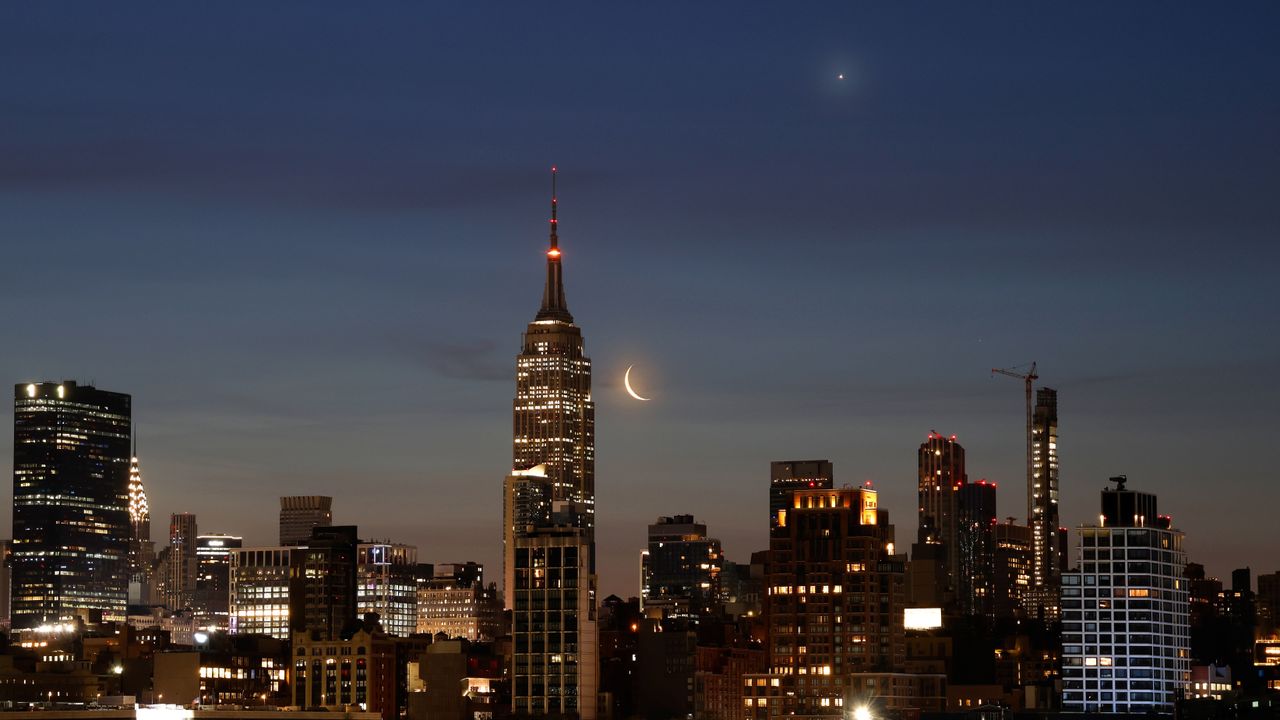
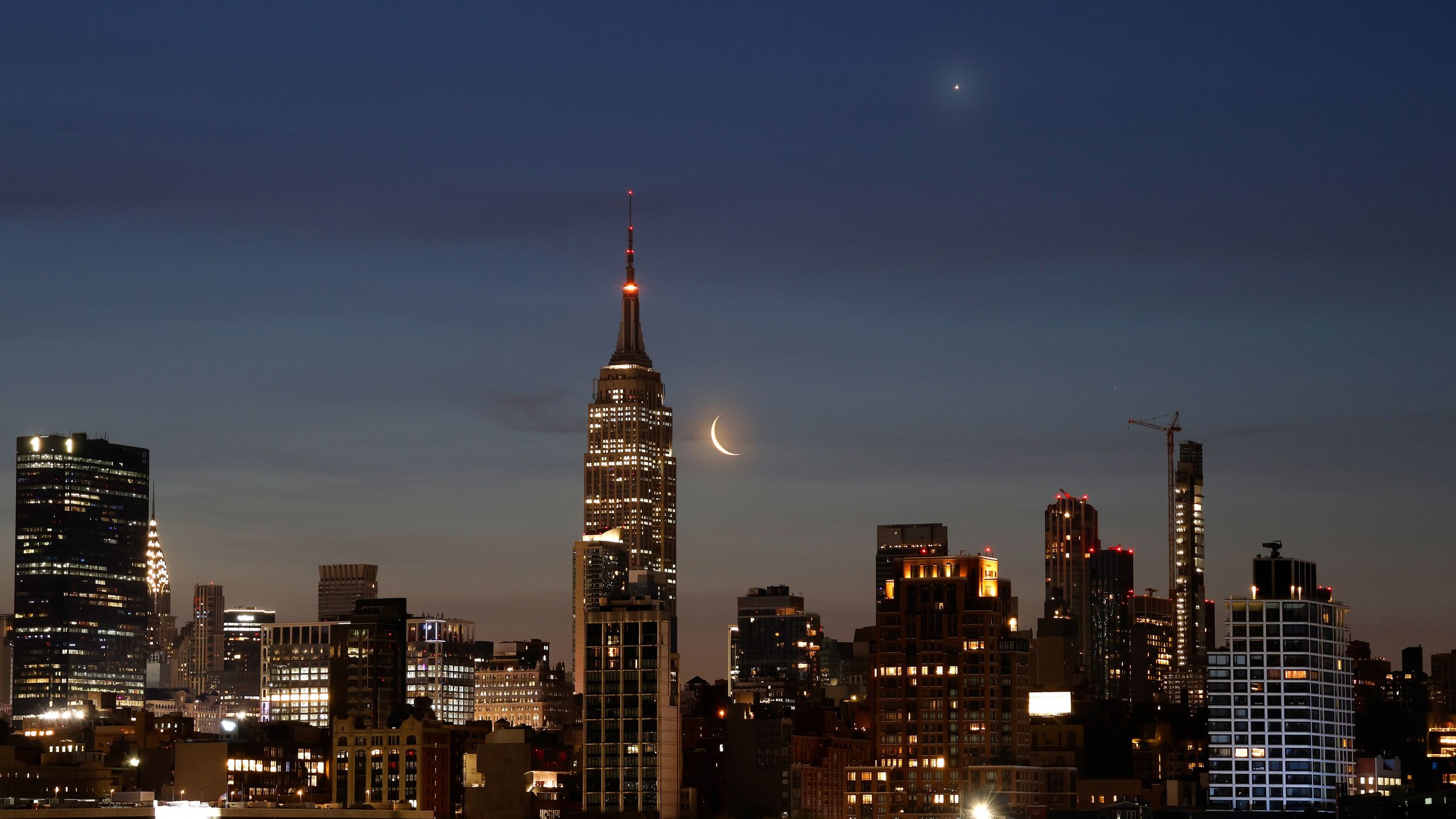
The event is especially striking because the moon will be only a few days past new, creating a delicate sliver that complements the brighter planets. Saturn will shine with a steady yellow-white glow, while Mars will appear as a reddish dot nearby. This guide is designed for both amateur astronomers and curious skywatchers with no prior experience.
Prerequisites
Equipment
- Your eyes – The triangle is visible to the naked eye, though binoculars enhance the view.
- Binoculars (optional but recommended) – 7×50 or 10×50 models work well for spotting Saturn’s rings or Mars’s color.
- Telescope (optional) – For a closer look at Saturn’s rings or lunar craters along the terminator.
- Smartphone or camera – For capturing the scene; a tripod helps for long exposures.
Sky Conditions
- Clear skies – Check the local weather forecast; even thin clouds can obscure the low objects.
- Low light pollution – A site away from city lights improves visibility of the faint crescent and Mars.
- Unobstructed eastern horizon – Hills, buildings, or trees will block the view since the triangle rises only a few degrees above the horizon.
Timing
- Date: May 14 (local date; note that the event occurs before dawn, so effectively the morning of May 14).
- Time: Begin observing about 45 to 60 minutes before local sunrise. Check sunrise time for your location (e.g., 5:30–6:00 AM typical for mid-northern latitudes).
- Duration: The triangle will be visible for about 30–40 minutes until the sky brightens too much.
To find your exact sunrise time, use a reliable source like timeanddate.com or a weather app.
Step-by-Step Instructions
Step 1: Plan Your Location
Scout a spot with a clear, low eastern horizon the day before. Elevated locations (like a hilltop or an open field) are ideal. If you live in a city, consider a park with an eastern-facing shoreline or an elevated parking garage. Note: the triangle will be very low – only about 5–10 degrees above the horizon – so even a slight obstruction can spoil the view.
Step 2: Set Your Alarm
Set your alarm for at least 60 minutes before sunrise. Give yourself time to wake up, dress appropriately (mornings can be chilly), and travel to your observation site. Arriving 15 minutes before the peak viewing window is sufficient.
Step 3: Find the Eastern Horizon
Once at your location, face east. Use a compass or a smartphone app (like SkySafari or Stellarium) to confirm direction. If you don’t have a compass, use the rising sun as a rough guide – the triangle will appear about 30–40 degrees to the right (south) of the sunrise point for most northern hemisphere observers.
Step 4: Locate the Crescent Moon
Look low in the east for a thin, bright sliver of the moon. The crescent will be very narrow – less than 5% illuminated – so it may be challenging to spot at first. Once you find it, let your eyes adjust. The moon will be the brightest object in that part of the sky after the sun’s glow.
Step 5: Identify Saturn and Mars
Saturn will appear as a bright, steady yellow-white point of light about 5–7 degrees to the upper right of the moon. It has a magnitude of about +1.0, making it easily visible. Mars will be fainter (magnitude +1.5) and reddish, located about the same distance to the lower left of the moon. Together, the three form a nearly perfect triangle roughly 5 degrees on each side – about the width of three fingers held at arm’s length.
Step 6: Use Binoculars for Detail
If you have binoculars, steady them against a tree or car roof. Aim at the moon first to focus, then sweep up to Saturn. In binoculars, Saturn may appear slightly elongated, showing its rings if conditions are excellent. Mars will remain a tiny reddish disk; its color becomes more apparent in binoculars. The moon’s surface will reveal subtle craters along the dark side edge (the terminator).
Step 7: Capture the Moment
Use a camera with a telephoto lens (200mm or more) or a smartphone on a tripod with a 3-second timer to avoid shake. Set exposure manually: start with ISO 400, aperture f/8, and shutter speed 1/2 second. Adjust based on brightness. Alternatively, take a series of photos and blend later for HDR effect. A common technique is to use a DSLR on a tracking mount to keep the objects sharp, but a simple tripod works for wide shots.
Step 8: Observe Until Sunrise
Watch as the sky slowly brightens. The triangle will fade into the blue sky about 20–30 minutes after you start. Saturn will disappear first, then Mars, and finally the thin crescent moon may become invisible against the brightening sky. Once the sun rises above the horizon, the show is over for the morning.
Common Mistakes
Mistake 1: Sleeping In
The most frequent error is oversleeping or setting the alarm too close to sunrise. Arriving just 10 minutes late can mean missing the entire event. Tip: Set two alarms and prepare everything the night before.
Mistake 2: Confusing Other Stars with Planets
In the twilight, some stars might look similar. Remember: Saturn and Mars will be the only bright objects near the crescent moon. A star like Spica (in Virgo) might be higher and brighter but is not part of the triangle. Tip: Use a sky map or app to confirm positions.
Mistake 3: Blocked Horizon
Even a small tree or building can obscure the view because the triangle sits so low. Tip: Scout your location the day before, preferably at the same time, to ensure a clear sightline.
Mistake 4: Using a Telescope Without a Wide Field
A high-power telescope will show only a tiny slice of sky, making it hard to locate the triangle. Tip: Use a low-power eyepiece (25–30mm) or binoculars first, then switch to higher magnification if desired.
Mistake 5: Ignoring Weather Forecast
Even partial clouds can ruin observation. Tip: Check an hourly clear-sky chart (like from ClearDarkSky) for your location on the morning of May 14.
Summary
Observing the crescent moon, Mars, and Saturn forming a triangular grouping before dawn on May 14 is a rewarding experience that requires minimal equipment but careful timing and location planning. Remember to wake early, find an open eastern horizon, and use binoculars for a closer look. Avoid common pitfalls like sleeping in or choosing a blocked site. With this guide, you’ll be well-prepared to witness one of the year’s most beautiful planetary conjunctions.
Related Articles
- 10 Essential Things to Know About the Strawberry Moon in June 2026
- Understanding the Surge in Indiana Gas Prices: A Comprehensive Guide
- Exploring the Iconic Heroes and Villains of Masters of the Universe
- 7 Breakthroughs in NASA's Next-Gen Spaceflight Computing
- New Data Reveals PyTorch Dominates AI Research While TensorFlow Leads Production — Framework Choice Critical in 2026
- NISAR Satellite Reveals Alarming Subsidence Rate in Mexico City: A Collaboration Between NASA and ISRO
- 6 Cosmic Revelations: How the Universe's Biggest Black Holes Are Forged in Violent Mergers
- Stunning Cambrian Fossil Discovery Reshapes Understanding of Early Animal Evolution