Bistrifluron: A Safer, Targeted Method for Eliminating Drywood Termite Colonies
Overview
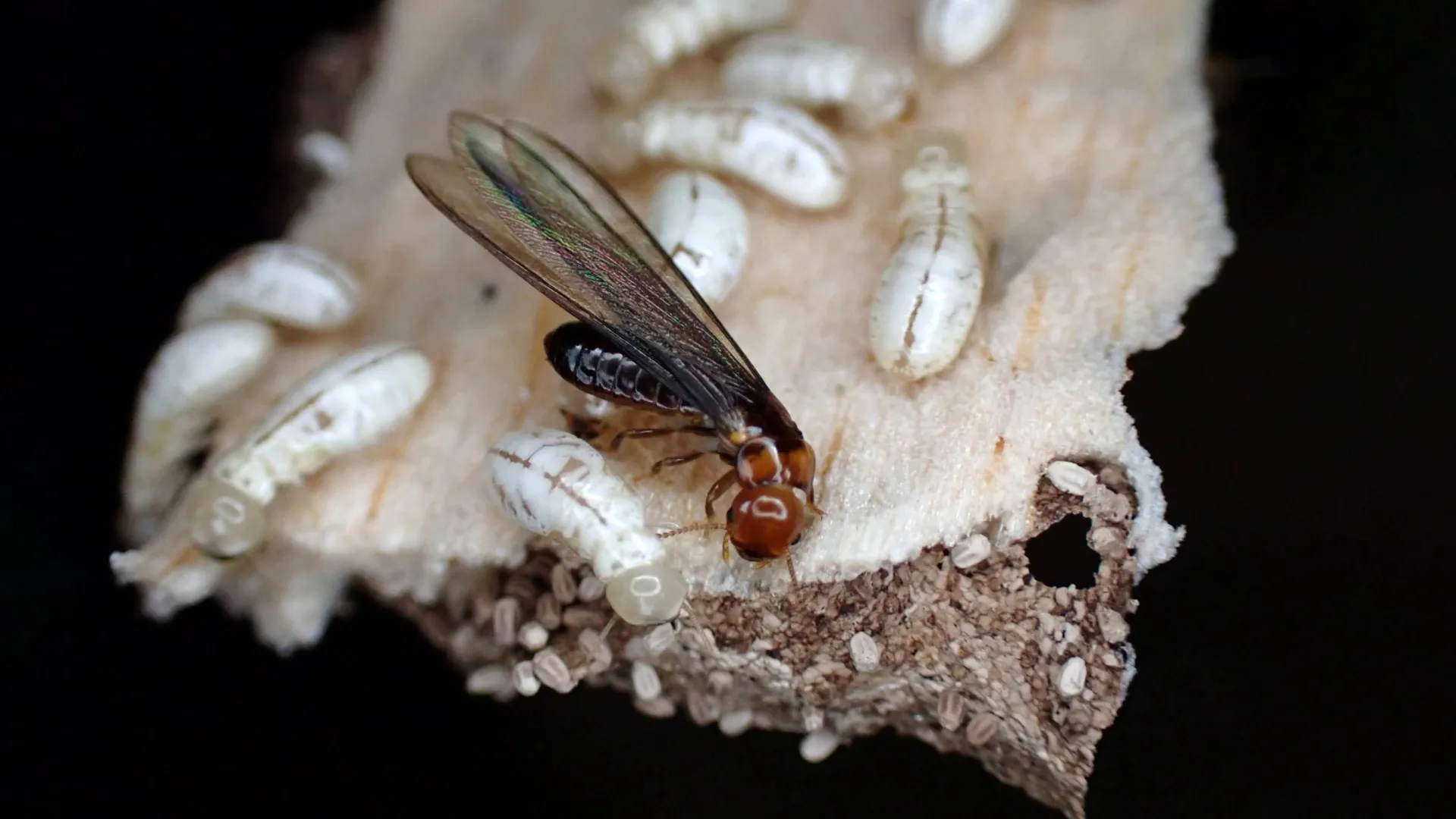
Drywood termites are a persistent threat to wooden structures, often hiding deep within walls and furniture where traditional fumigation may be ineffective or hazardous. A breakthrough chemical known as bistrifluron offers a smarter, safer alternative. Bistrifluron works by disrupting the molting process of termites—preventing them from forming new exoskeletons. When termites molt, they shed their old shell and grow a new one; if they cannot produce that new exoskeleton, they die. This mechanism attacks the entire colony from within, as the poison is transferred through social sharing. In controlled tests, bistrifluron eliminated approximately 95% of drywood termite populations while remaining non-toxic to humans and pets when used correctly. This guide provides a comprehensive walkthrough for using bistrifluron as part of an integrated pest management plan, covering everything from prerequisites to common pitfalls.
Prerequisites
Understanding the Target Pest
Before applying any treatment, verify that the infestation involves drywood termites (genus Incisitermes or Cryptotermes), not subterranean species. Drywood termites live entirely in wood, leaving small piles of fecal pellets (frass) near exit holes. Subterranean termites require soil contact and build mud tubes. Bistrifluron is specifically designed for drywood termites.
Required Materials
- Bistrifluron-based formulation (typically available as a foam or dust). Check manufacturer label for concentration (commonly 0.5%–2% active ingredient).
- Protective gloves and safety glasses (though low toxicity, avoid skin contact).
- Drill or injection tool for applying into termite galleries.
- Sealant (non-silicone caulk) to plug injection holes after treatment.
- Inspection flashlight or borescope for locating active infestations.
- Moisture meter (optional, to assess wood conditions).
Step-by-Step Instructions
1. Locate Active Infestations
Search for signs of drywood termites: small piles of hexagonal frass, discarded wings near windows, or hollow-sounding wood when tapped. Use a flashlight or borescope to inspect structural timbers, furniture, and window frames. Mark every area where termites are active—do not rely on random spot treatments.
2. Prepare the Bistrifluron Solution
Follow the product’s mixing instructions precisely. Most commonly, bistrifluron is supplied as a wettable powder or foam concentrate. For example:
1. Add 5 grams of bistrifluron powder to 1 liter of water.
2. Stir until fully dissolved (no clumps).
3. Transfer to a foam-generating applicator if required.
Do not exceed the recommended concentration; overdosing does not increase efficacy and may waste product.
3. Drill Injection Holes
Using a power drill with a small bit (3/16 inches), drill holes into the infested wood at intervals of 12–18 inches. Angle the holes slightly upward to allow the solution to pool inside galleries. Space holes along the length of the infestation, ensuring coverage of all suspected tunnels.
4. Apply the Treatment
Inject the bistrifluron foam or liquid directly into each hole. For foam formulations, use a nozzle that fills the gallery without excessive pressure—overinjection may push termites deeper. Apply until you see the material seep out of adjacent holes or cracks. For liquid formulations, use a syringe or pump to slowly introduce the solution, allowing it to wick through the wood.
According to research presented in the original study, bistrifluron works best when the entire colony is exposed. Because termites share food and groom each other, the chemical spreads throughout the population. Aim to treat all active areas in one session.
5. Seal Injection Points
After application, seal each hole with a non-silicone caulk or wood filler. This prevents insects or moisture from entering and maintains the integrity of the wood. Smooth the sealant flush with the surface.
6. Monitor and Retreat if Necessary
Check for termite activity every two weeks for the first two months. Look for fresh frass or live termites. Because bistrifluron kills over several molting cycles (termites molt every 30–60 days), you may see declining activity gradually. If after 12 weeks live termites remain, consider a second application targeting the surviving colonies. In the original tests, about 95% eradication was achieved, so a small residue may persist; but with proper initial coverage, retreatment is rarely needed.
Common Mistakes
Mistake 1: Treating Only Visible Damage
Termites often exit through small holes, but the colony may extend far beyond the damaged area. Inject only into active galleries, not random surface cracks. Use a borescope or peck test to locate galleries.
Mistake 2: Overdiluting the Solution
If the bistrifluron concentration is too low, the chemical may not reach lethal levels. Always follow the manufacturer’s rates. Do not add extra water to stretch the product; effectiveness will drop dramatically.
Mistake 3: Ignoring Safety Precautions
While bistrifluron is low-toxicity to humans, wear gloves and goggles to avoid skin or eye irritation. Work in a well-ventilated area. Keep out of reach of children and pets until the treated wood is dry.
Mistake 4: Expecting Immediate Results
Unlike contact insecticides that kill on contact, bistrifluron works over weeks as termites molt. Do not reapply prematurely—wait at least 8–12 weeks before assessing success. Over-application may saturate the wood and create a barrier that termites avoid.
Summary
Bistrifluron offers a novel, targeted approach to drywood termite control by interfering with exoskeleton formation during molting, leading to colony collapse. Proper identification, precise injection into galleries, and patience are essential for achieving 95% elimination. This method reduces the need for toxic fumigation and provides longer-lasting protection as termite ranges expand. By following the steps outlined here, homeowners and pest professionals can safely and effectively protect structures from these destructive pests.
Related Articles
- 10 Surprising Facts About Creatine Beyond the Gym
- Hidden Blur in Time Reveals Quantum Limit, Physicists Say
- 7 Strategies for Staying Positive and Driving Change in Uncertain Times
- How to Identify and Study a Prehistoric Twisted-Jaw Fossil
- The Enigmatic Atmosphere of a Tiny Trans-Neptunian Object: A Mystery at the Solar System's Edge
- Leading the Xenonauts: A Commander's Perspective in a Cold War Alien Invasion
- How to Assess NASA's Prospects for a 2028 Moon Landing After Artemis 3 Delay
- Your Ultimate Guide to Catching the Eta Aquariid Meteor Shower: From Halley's Comet Debris to Shooting Stars