Microsoft Releases Earliest DOS Source Code to Public on Its 45th Birthday
The Origins of DOS
Before Microsoft became the software giant that placed Windows on nearly every corporate desktop, its journey began with a modest operating system crafted by a single developer at Seattle Computer Products. In 1980, Tim Paterson created what he initially dubbed QDOS—short for Quick and Dirty Operating System. Intel had just launched its 8086 processor, yet the prevailing operating system of the era, CP/M, lacked support for this new chip. Paterson filled the void by building an OS that mirrored the CP/M application programming interface, allowing existing software to run seamlessly on the 8086 platform.
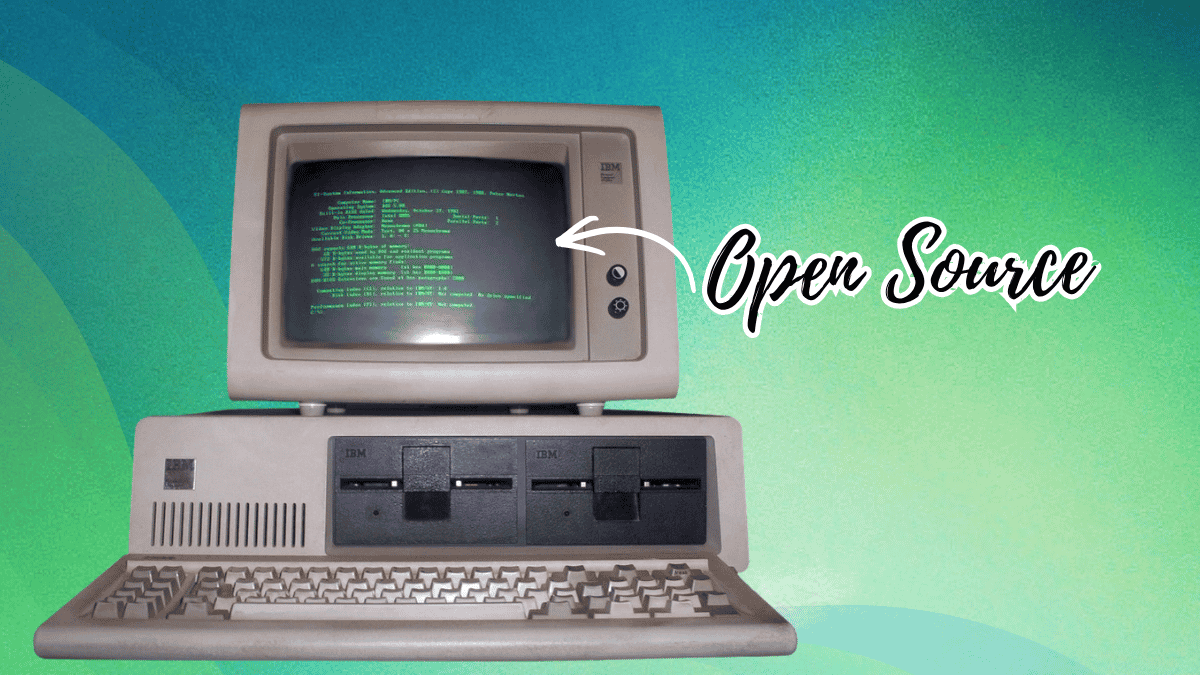
Microsoft saw potential in this raw creation. They purchased the rights to what became known as 86-DOS for just under $100,000. In August 1981, they shipped it to IBM as PC DOS 1.0, while retaining the right to sell the same system to other PC manufacturers under the name MS-DOS. That single transaction set the stage for Microsoft's dominance in personal computing for the next two decades.
A Historic Release
On April 28—the 45th anniversary of 86-DOS 1.00—Microsoft posted a blog announcement confirming that the oldest known DOS source code is now publicly available on GitHub, licensed under the permissive MIT license. The story behind this release is particularly intriguing. Paterson didn't leave behind a tidy digital archive; instead, he had preserved physical assembler printouts and stacks of continuous-feed paper from 1981, kept safe over the decades.
Transforming those fragile pages into usable code required considerable effort. Historians Yufeng Gao and Rich Cini located, scanned, and meticulously transcribed the DOS-related portions, ultimately producing compilable source files.
What's Inside the Archive
The GitHub repository includes several key components:
- The 86-DOS 1.00 kernel
- Multiple development snapshots of the PC-DOS 1.00 kernel
- Utilities such as
CHKDSK - The assembler Paterson used to write the operating system itself
This collection offers a rare glimpse into the foundational code that launched an empire.
Microsoft's Open Source Tradition
Microsoft opening up its legacy code is no longer surprising. In September 2025, it released 6502 BASIC as open source. In 2024, MS-DOS 4.0 followed. Even earlier, in 2018, MS-DOS 1.25 and 2.0 were made available. The pattern is clear: Microsoft is steadily sharing its historical software with the community.
Who Should Dive In?
For retro computing enthusiasts and low-level systems developers, this release is a treasure trove. The source code is compilable, but you'll need a copy of Seattle Computer Products' ASM assembler—available from any 86-DOS or early MS-DOS distribution. The GitHub repository's README file provides step-by-step instructions to get started.
As Microsoft commemorates 45 years of DOS, this open-source release invites a new generation to explore the roots of modern personal computing.
Related Articles
- Go 1.26 Type Checker Overhaul Targets Arcane Type Construction Pitfalls
- Unlocking Smarter Code Navigation and Lightning-Fast IntelliSense: Python in VS Code March 2026 Update
- 5 Key Enhancements in Kubernetes v1.36 for Bulletproof Admission Policies
- 6 Smart Tactics to Supercharge Your Go App with Stack Allocation
- Configuration Safety at Scale: How Meta Ensures Reliable Rollouts with Canary Testing and AI
- New MCP Server Gives AI Agents Instant Access to Private Documentation They Were Never Trained On
- 10 Crucial Facts About Amazon's PA-API in 2026: Restrictions, Alternatives, and More
- Mesa Graphics Drivers at Crossroads: Legacy Code May Be Split Off to Accelerate Modern Development