5 Must-See Sky Events in May 2026: A NASA-Inspired Stargazing Guide
May 2026 promises a trio of celestial delights for skywatchers, from pre-dawn shooting stars to a dazzling dusk pairing and a rare lunar milestone. Whether you're a seasoned observer or just starting out, this month offers simple yet spectacular sights. Based on NASA's monthly skywatching tips, here are five key things you need to know to make the most of the night sky in May.
1. Catch the Eta Aquarid Meteor Shower at Its Best
Kicking off the month, the Eta Aquarid meteor shower peaks on the mornings of May 5 and 6. These swift meteors are debris from the famous Halley’s Comet, which last visited our inner solar system in 1986 and won't return until 2061. As Earth plows through the comet's dusty trail, particles burn up at about 40 miles per second, creating fast, bright streaks with lingering trails. Under ideal dark skies, you might see up to 50 meteors per hour. However, a bright Moon this year may wash out fainter ones. The best viewing window is the few hours before dawn, focusing on the eastern sky. For the best experience, find a location far from city lights, let your eyes adjust for 20–30 minutes, and avoid looking at your phone. This meteor shower is a perfect way to start your May skywatching. Jump to viewing tips.
2. The Moon and Venus Put On a Dazzling Duo (May 18)
On May 18, just after sunset, look to the western sky. A slender crescent Moon will cozy up to brilliant Venus—often called the Evening Star. These two objects will appear close together from our Earthly perspective, though they're actually millions of miles apart. The crescent Moon acts as a natural pointer, making it easy to spot Venus even from moderately light-polluted areas. This conjunction is a simple yet stunning sight that requires no special equipment—just your eyes and a clear view of the horizon. It’s a great opportunity to introduce kids or friends to skywatching. Mark your calendar for this beautiful moment.
3. May Ends with a Rare Blue Moon (May 31)
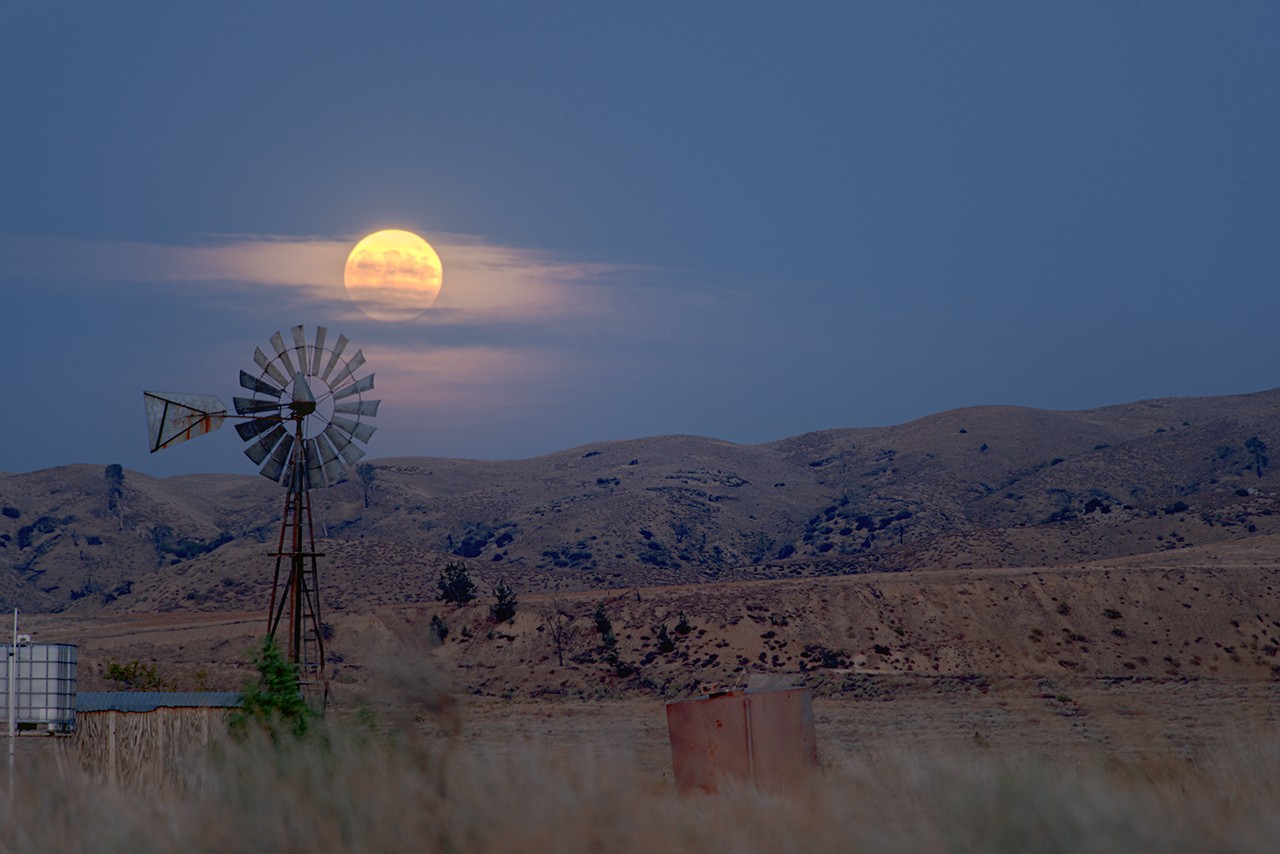
Wrap up May by looking for the Full Moon on May 31. This is a Blue Moon—but don’t expect a blue hue. The term “Blue Moon” traditionally refers to the second Full Moon in a single calendar month, a fairly uncommon event. Hence the saying “once in a blue moon.” While the Moon won’t look blue, it will still be a brilliant, round disk dominating the night sky. This Full Moon also marks the third of four full moons this season, but the calendar definition is the one most commonly used. Whether you call it a Blue Moon or just a beautiful full moon, it’s a perfect excuse to step outside and enjoy the view.
4. Pro Tips for Observing Meteor Showers
To get the most out of the Eta Aquarids (or any meteor shower), follow these simple steps. First, pick a dark location away from city lights—think a rural park or a dark-sky site. Arrive early and give your eyes 20–30 minutes to adapt to the darkness. Avoid looking at your phone or any bright screens during that time. Bring a reclining chair or blanket to lie back and scan the sky. Meteors can appear anywhere, but the radiant (the point they seem to originate) is in Aquarius, so looking toward the east before dawn is your best bet. Dress warmly, bring snacks, and be patient. Peak activity occurs around 5 a.m., but you may see meteors for days before and after the peak. Use these tips to maximize your shooting star count. Back to meteor shower details.
5. Moon Phases to Guide Your Month
Tracking the Moon's phases helps you plan your skywatching. In May 2026, the New Moon occurs early in the month, providing dark skies perfect for meteor watching. The First Quarter Moon arrives around mid-month, then the Full Moon (the Blue Moon) on May 31. To best see the Eta Aquarids, aim for the first few days of May when the Moon is thin or absent. For the Moon-Venus conjunction on May 18, a crescent Moon is your guide. And the Blue Moon ends the month with a bright, all-night orb. Keep a lunar calendar handy, and remember that dark skies matter more than any other factor. With this knowledge, you’re set for a month of rewarding stargazing.
May 2026 offers a little something for everyone: fast meteors from Halley’s Comet, a romantic evening pairing of Moon and Venus, and a calendar rarity to cap it off. Use these NASA-inspired tips to make the most of your nights under the stars. Happy skywatching!
Related Articles
- How State-Space Models Are Giving Video AI a Lasting Memory
- Rediscovering the Nexus 6: How a 12-Year-Old Motorola Phone Redefined Smartphone Design
- How Scientists Discovered Warm Ocean Water Approaching Antarctica's Ice Shelves
- The Brain’s Built-In Itch Off-Switch: New Findings
- The Field Concept in Particle Physics: From Magnetism to Quantum Reality
- 10 Fascinating Facts About the Mysterious Crystals from the First Nuclear Bomb Test
- Unveiling Financial Webs: A Step-by-Step Guide to Analyzing Related-Party Transactions in Corporate Filings
- A Step-by-Step Guide to Reversing Diabetes in Mice Using Lab-Grown Insulin Cells