Huawei's AI Chip Ambitions: $12 Billion Revenue on the Horizon as Domestic Demand Surges
Amid a shifting landscape in China's AI hardware market, Huawei is positioning itself as a formidable player. With major tech firms like Alibaba, ByteDance, and Tencent already placing orders, the company expects its AI chip revenue to soar to $12 billion—a year-over-year increase of at least 60%. This growth is fueled by a surge in homegrown AI model development, straining Chinese fabrication capabilities while chipping away at Nvidia's regional dominance. Below, we explore key questions about this transformation.
Why is Huawei expecting a $12 billion revenue from AI chips?
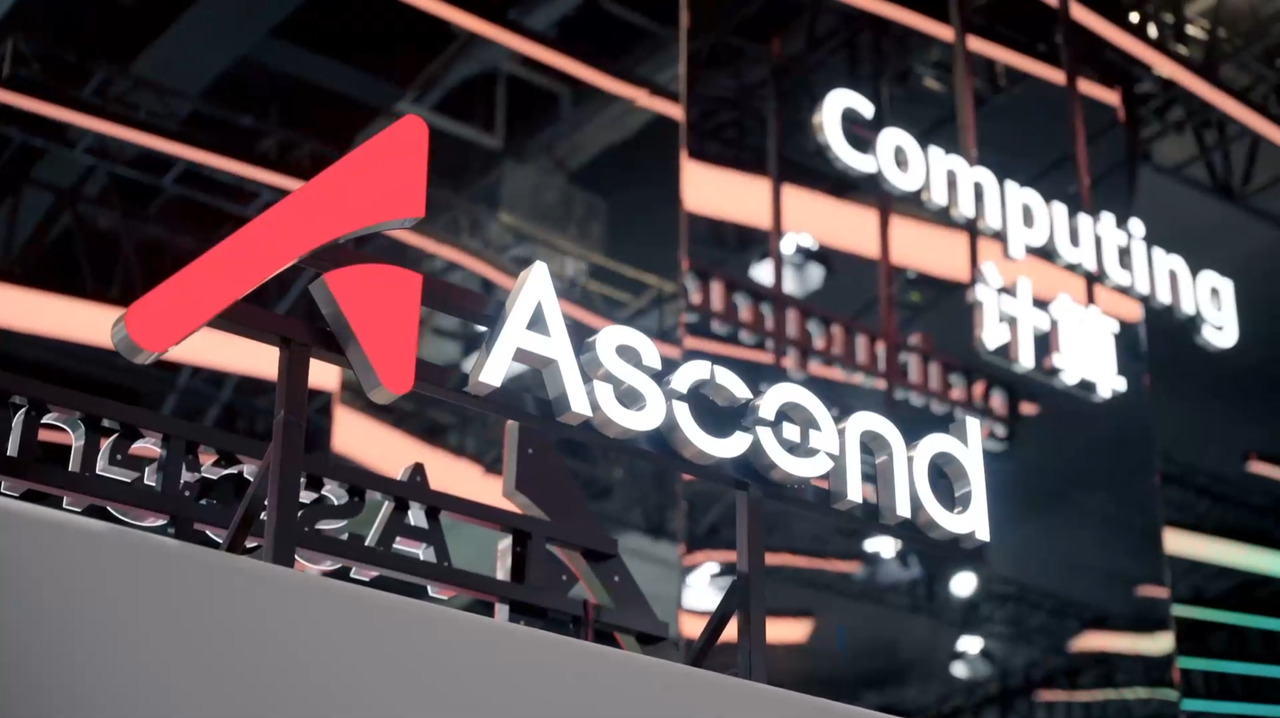
Huawei's revenue projection is based on confirmed orders from major Chinese technology giants, including Alibaba, ByteDance, and Tencent. These companies are ramping up their own AI model development, driving demand for domestic chips. The $12 billion figure represents a growth of at least 60% compared to the previous year, a reflection of China's push for technological self-sufficiency. As Nvidia's market share declines within the region, Huawei is filling the void with its homegrown products, such as the Ascend series, which are tailored to local AI training and inference needs.
How are Chinese fabrication capabilities affecting this growth?
Chinese fabs are struggling to keep pace with the explosive demand for AI chips. While Huawei's design teams are innovating rapidly, production bottlenecks at domestic foundries limit output. This strain is partly due to US export controls that have restricted access to advanced lithography equipment, forcing Chinese manufacturers to rely on older node technologies. Despite these challenges, the government has been investing heavily in upgrading local fabs, but the current gap between demand and supply underscores the urgency of scaling domestic chip production. The result is a competitive race to improve yield rates and expand capacity for AI-specific processors.
What is driving the demand for homegrown AI chips in China?
The primary driver is the rapid expansion of domestic AI model development. Companies like Alibaba with its Tongyi Qianwen model, ByteDance's Doubao, and Tencent's Hunyuan are deploying huge computational resources, creating a need for reliable, secure, and cost-effective hardware. Additionally, geopolitical tensions and US sanctions have made imported chips from Nvidia less accessible, prompting a strategic pivot toward local alternatives. Chinese firms also prioritize data sovereignty and want to avoid potential supply chain disruptions. This confluence of factors—innovation in AI, regulatory pressures, and national security concerns—has accelerated adoption of Huawei's chips.
How is Nvidia's market share changing in China?
Nvidia's dominance in China is eroding rapidly. Once commanding a leading share of the AI accelerator market, the company now faces reduced orders as Chinese clients shift to domestic suppliers like Huawei. US export restrictions on high-performance chips, such as the A100 and H100, have made it harder for Nvidia to sell its latest products in China. While Nvidia has designed downgraded versions for the market, customers increasingly view these as less competitive than Huawei's offerings. The market share decline is not just statistical—it signals a fundamental realignment of the global AI chip landscape, with China investing billions in homegrown alternatives.
What are the implications for global AI chip competition?
Huawei's rise and Nvidia's retreat in China are reshaping the global AI chip market. This development intensifies the tech war between the US and China, as each bloc now has a distinct ecosystem. For multinational firms, it means navigating complex regulatory environments and dual supply chains. Moreover, Huawei's success could inspire other countries to develop their own AI chips, fragmenting the market further. The shift also affects pricing, innovation cycles, and standards. As Chinese companies push to match or surpass Western performance, global competition may accelerate, benefiting end users with more options—but also risking a decoupled, less interoperable tech world.
How is Chinese government policy supporting this shift?
The Chinese government has been instrumental in fostering the homegrown AI chip ecosystem. Through initiatives like the Made in China 2025 plan and substantial subsidies, it encourages domestic semiconductor design and manufacturing. Additionally, stricter import controls and preference policies for state-owned enterprises tend to favor local chips. The government also funds research and development, aiming to reduce reliance on foreign technology. These policies create a favorable environment for Huawei to expand its AI chip revenue, even as it navigates US sanctions. The goal is clear: establish a self-sufficient and competitive semiconductor industry that can sustain China's digital economy and AI ambitions.
Related Articles
- Unlocking Your Android's True RAM Potential: Fix App Reloads and Stutters on 12GB Devices
- Nvidia Continues AI Dominance: Data Center Revenue Surges, Driving Another Earnings Beat
- Warby Parker Teams Up with Google and Samsung to Challenge Meta with Gemini-Powered Smart Glasses
- Motherboard Market Meltdown: 6 Key Reasons Sales Are Plummeting
- Overcoming the Energy Infrastructure Gap for Gigascale AI: The Role of High-Speed Battery Buffers
- NVIDIA and Dell Unveil Next-Gen AI Infrastructure: Demand Surges 'Parabolically'
- Intel's New Role in Apple's Chip Strategy: Testing Legacy Processors on Advanced 18A-P Node
- Paramount+ May Movie Guide: Top Picks and What to Watch This Week