Unmasking Loan Fraud: How Criminals Exploit Credit Union Processes Without Hacking
Introduction
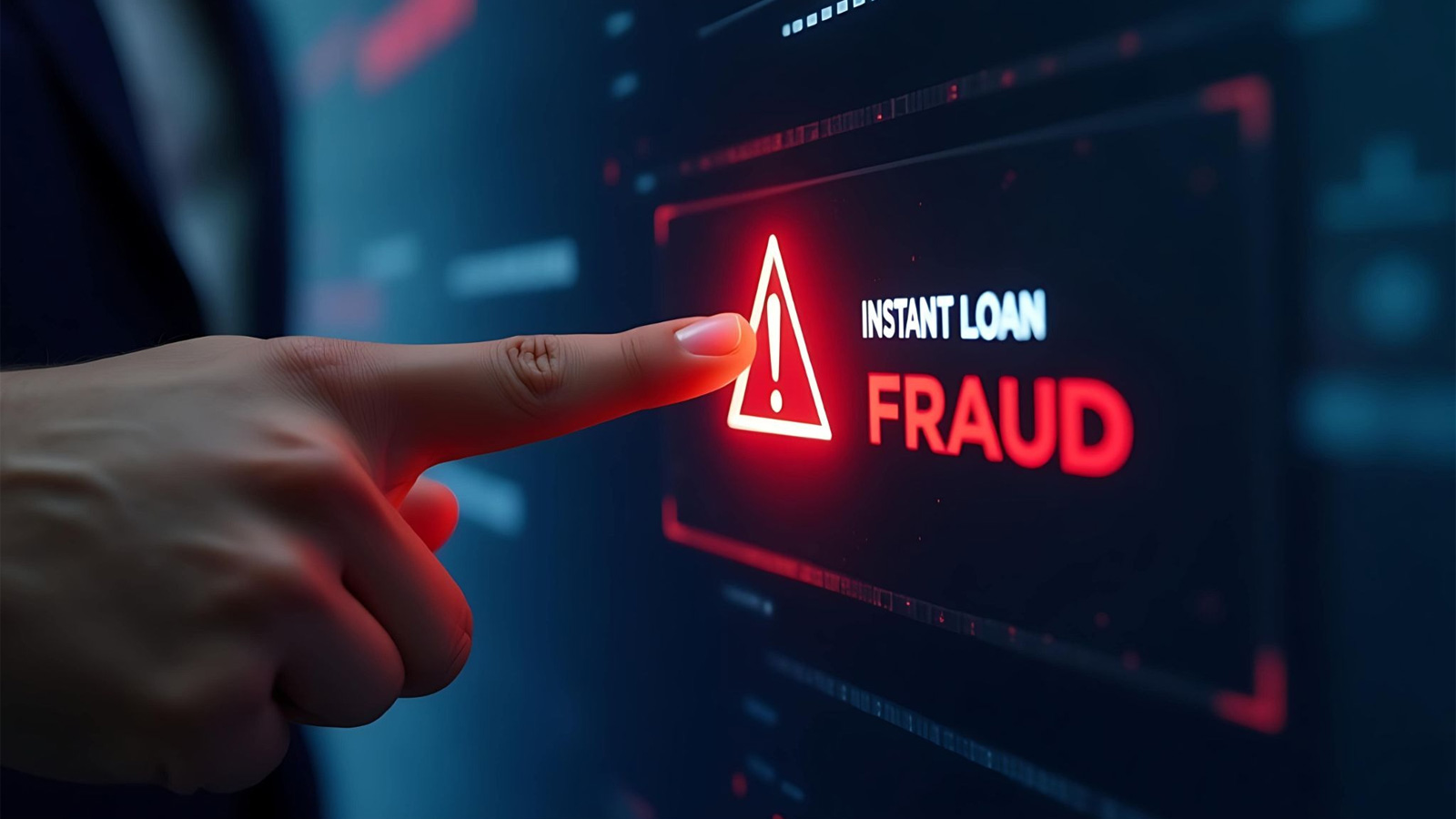
Credit unions pride themselves on personalized service and trust, but that very trust is being weaponized. Fraudsters aren't breaking into computer systems or deploying malware; they're quietly exploiting normal business operations. By borrowing identities—real, synthetic, or stolen—they manipulate loan origination and verification workflows to secure funds. This guide reveals the step-by-step methods these criminals use, turning standard credit union processes into their personal ATMs. Understanding their playbook is your first line of defense.
What You Need (From the Fraudster's Perspective)
- Stolen personal information: Names, Social Security numbers, dates of birth, addresses—obtained from data breaches or phishing.
- Synthetic identity components: A fabricated identity mixing real and fake details (e.g., a real SSN with a fictitious name).
- Burner phone numbers & temporary email: To receive verification calls or texts without lasting records.
- Mule accounts or prepaid cards: For laundering received loan proceeds quickly.
- Basic knowledge of credit union underwriting: Understanding minimum credit scores, income documentation, and loan types (payday, auto, personal).
- Patience and timing: Fraudsters often test small amounts first to gauge detection thresholds.
Step-by-Step Guide to Structured Loan Fraud
Step 1: Harvest Identity Data
Fraudsters begin by collecting raw identity material. They purchase stolen SSNs from dark web marketplaces or scrape public records for legitimate names and addresses. The goal is a credible persona—one that can pass basic automated checks. For synthetic identities, they combine a real SSN (often that of a deceased person or child) with a fabricated name and date of birth. This patchwork creates a ghost profile that credit bureaus may not flag immediately.
Step 2: Build a Synthetic Profile
With raw data in hand, the fraudster constructs a full identity dossier. They create fake pay stubs using templates, generate fake utility bills (often from compromised email accounts), and establish a thin credit file by adding the synthetic identity as an authorized user on a legitimate card. Some even open small bank accounts with initial deposits to build transaction history. This step is critical—without a paper trail, loan applications will be rejected.
Step 3: Target Credit Unions with Weak Verification
Not all credit unions are equal targets. Fraudsters research institutions that rely heavily on automated approval systems without manual review. They look for credit unions offering instant online loans with minimal documentation. Smaller credit unions are especially vulnerable because they often lack advanced fraud detection tools. The fraudster may apply from a VPN to mask the true location, ensuring the IP address aligns with the synthetic identity's address.
Step 4: Apply for Multiple Small Loans (Loan Stacking)
Instead of a single large loan that might trigger manual review, the fraudster submits several small applications ($500–$2,000) across different credit unions simultaneously. They use variations of the borrowed identity—changing the phone number slightly or using a different email—to avoid being linked. Loan stacking exploits the time lag between approval and reporting to credit bureaus. By the time one credit union reports the loan, the fraudster has already collected funds from two others.

Step 5: Pass Verification with Social Engineering
If the credit union requires live verification (e.g., a phone call), the fraudster uses a burner number and rehearses a script. They match the synthetic persona's background: job details, rent amount, and recent transactions. Some go further by creating fake social media profiles that support the identity's story. The key is to sound normal—polite, familiar with financial terms, and slightly hurried to discourage probing questions.
Step 6: Cash Out and Disappear
Once approved, funds are transferred to a mule account or loaded onto prepaid cards that are quickly converted to cryptocurrency or cash. The fraudster abandons the synthetic identity, leaving the credit union with a delinquent loan and no way to locate the real person. In many cases, the fraudster repeats the cycle with a new synthetic profile, moving to a different credit union before the previous fraud is detected.
Tips for Credit Unions to Protect Themselves
- Implement layered verification: Combine automated checks with manual reviews on loans above a threshold. Use knowledge-based authentication questions that are hard to predict.
- Monitor for synthetic identities: Check for rapid credit file creation or multiple inquiries in a short period. Flag SSNs issued for minors or deceased individuals.
- Enable loan stacking alerts: Watch for applicants using the same device or IP across different loan applications. Cross-reference with identity verification databases.
- Train staff on social engineering red flags: Teach employees to listen for inconsistent details, reluctance to provide documents, or urgency to close quickly.
- Use consortium data: Share fraud indicators with other credit unions through industry groups. Fraudsters often hit multiple institutions in the same region.
- Conduct periodic process audits: Test your own verification workflows by simulating synthetic applications. Identify weak points before criminals do.
Remember: these fraudsters aren't hackers—they're methodical borrowers of trust. By understanding each step they take, you can fortify your processes and protect your members.
Related Articles
- Microsoft Cracks Down on Cybercriminal Certificate Service: The Fox Tempest Case
- Mozilla's AI-Powered Vulnerability Hunting: 271 Flaws with Minimal False Positives
- How to Effectively Manage Government Scrutiny After a Cybersecurity Incident
- Node-IPC Malware Alert: Three Modified npm Packages Steal Developer Secrets
- Mitigating the Dirty Frag Vulnerability: A Comprehensive Guide for Linux Administrators
- Canvas Cyberattack Disrupts Education: What Schools Need to Know
- OpenClaw's 'Claw Chain' Vulnerabilities: A Comprehensive Q&A
- Financial Cyberthreats in 2025: Key Trends and What to Expect in 2026