Quick Facts
- Category: Science & Space
- Published: 2026-05-01 05:49:43
- Apple Q2 2026 Earnings: What Investors Need to Know
- NISAR Satellite Reveals Alarming Subsidence Rate in Mexico City: A Collaboration Between NASA and ISRO
- Microsoft Expands Agentic AI Platform for R&D, Reports Real-World Breakthroughs
- April 2026 Linux Software Wave: Kdenlive, VirtualBox, Firefox 150 Lead Major Updates
- The Hidden Risks of Popular npm Packages: An Audit of 25 Leading Libraries
A massive space rock hurtling toward Earth might sound like science fiction, but for the team at Exploration Labs, it's a very real mission. This California-based startup has unveiled a groundbreaking plan to intercept one of the most notorious near-Earth objects—the potentially hazardous asteroid Apophis. Dubbed Apophis EX, their mission would mark the first commercial deep space ride share operation, paving a new path for planetary defense. Here's how they intend to keep our planet safe.
1. Targeting a Known Threat: Asteroid Apophis
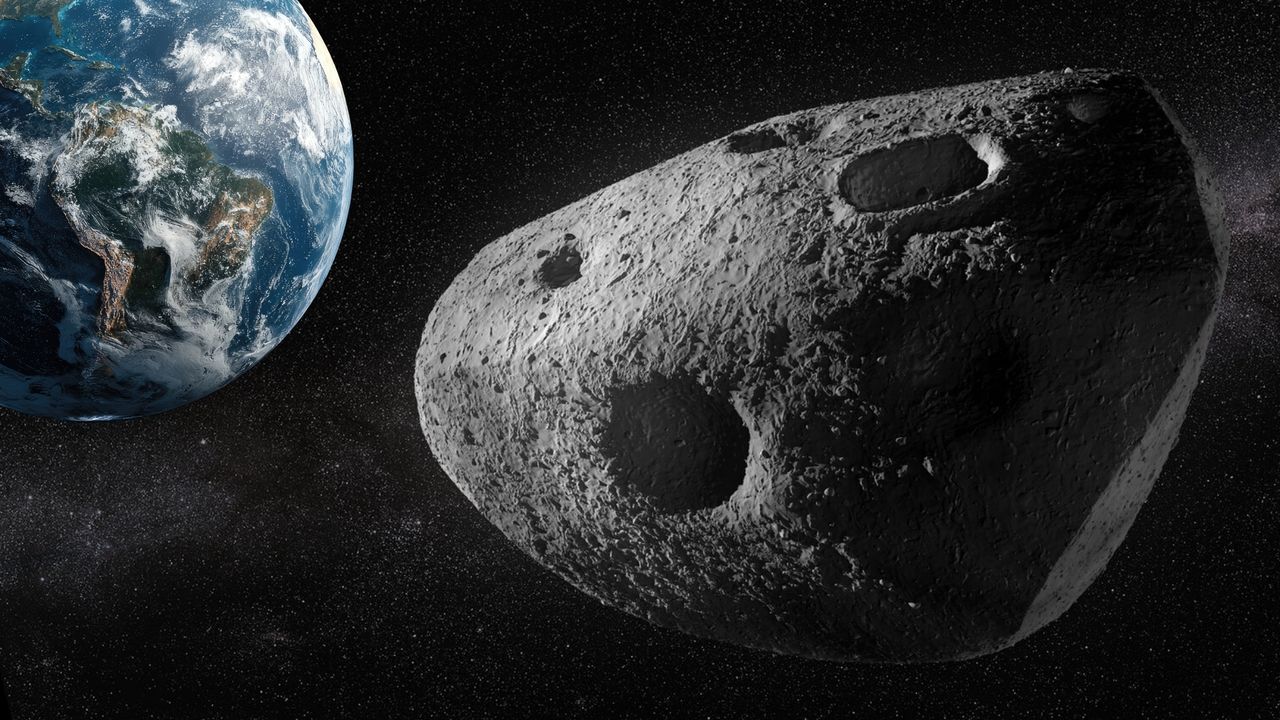
Asteroid Apophis, named after the Egyptian god of chaos, has long topped the list of potentially hazardous asteroids. Discovered in 2004, this 1,100-foot-wide rock will pass remarkably close to Earth in 2029—within the orbit of geostationary satellites. While scientists have ruled out an impact for at least the next century, its close approach makes it a perfect target for study. Exploration Labs aims to rendezvous with Apophis during this flyby, collecting crucial data that could one day help deflect a real threat. By understanding its composition, orbit, and rotation, we can better predict and prevent future collisions.
2. Pioneering the First Commercial Deep Space Ride Share
Apophis EX isn't just about planetary defense—it's also a commercial innovation. The mission represents the first ever deep space ride share, meaning that multiple payloads from different customers will hitch a ride on a single spacecraft. This approach drastically reduces costs, making asteroid exploration accessible to universities, startups, and even space agencies. Exploration Labs is betting that by sharing the ride, they can fund their defensive mission while opening up deep space to a wider market. It's a win-win: more science, lower price, and a safer Earth.
3. Rendezvous Technology: Getting Up Close and Personal
Reaching Apophis isn't easy. The spacecraft must travel hundreds of millions of kilometers, then match the asteroid's speed and trajectory. Exploration Labs plans to use a compact, ion-propelled probe that can adjust its orbit with precision. Equipped with cameras, spectrometers, and radar, the probe will map Apophis in high resolution. This isn't a flyby—it's a full rendezvous, meaning the spacecraft will stay alongside the asteroid for weeks or months. Such close-up observations are critical for planning any future deflection mission. Without this data, any attempt to nudge an asteroid would be like throwing darts blindfolded.
4. Harnessing Commercial Innovation for Planetary Defense
Traditionally, asteroid monitoring has been the domain of NASA and other space agencies. Exploration Labs is changing that by proving private companies can play a major role. Their commercial model leverages off-the-shelf components, agile development, and fixed-price contracts. This keeps costs down and speeds up timelines. If successful, Apophis EX will demonstrate that commercial ventures can conduct deep space missions faster and cheaper than government programs. That's a game changer for planetary defense, where time is often the scarcest resource. The company's motto is clear: protect Earth, but do it like a startup.
5. The Timing: Why 2029 Is the Perfect Window
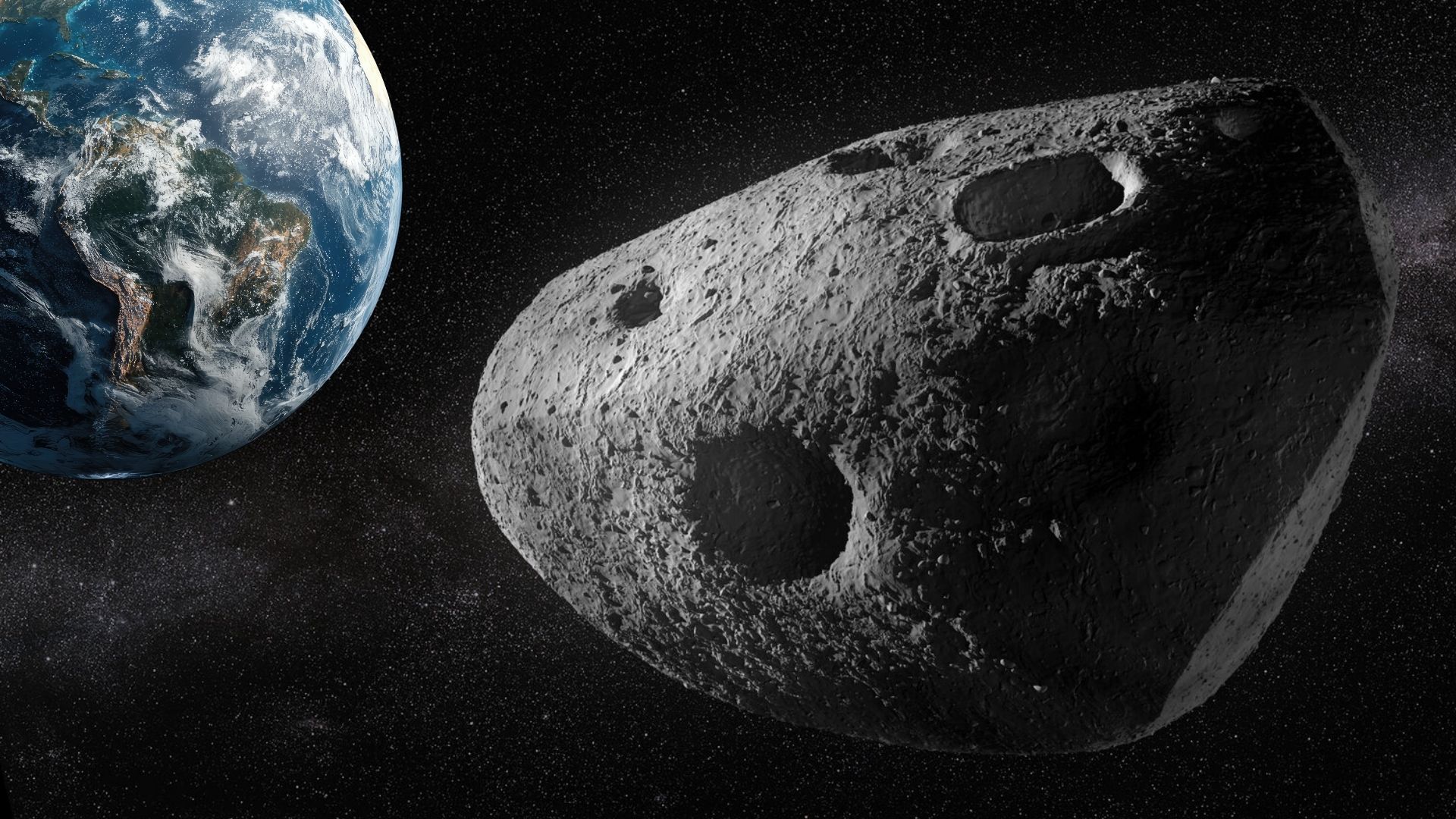
Apophis will make its historic close approach on April 13, 2029—a Friday the 13th no less. Exploration Labs has timed their launch to arrive just before that date. This isn't just about taking advantage of a rare event; it's about efficiency. The close approach means less fuel needed to match orbits, and the gravity of Earth will slingshot the asteroid, making it easier to study. Moreover, public interest will be sky-high, providing a platform to raise awareness about asteroid threats. The company hopes that the 2029 flyby will become a global moment for space safety, not just a scientific curiosity.
6. Building on Past Missions: From Flybys to Rendezvous
Previous asteroid missions, like NASA's OSIRIS-REx or JAXA's Hayabusa2, have been expensive, long-term government projects. Exploration Labs is taking a leaner approach. By using a ride share platform, they can piggyback on existing launch opportunities and reduce development time. The Apophis EX spacecraft will be built using heritage designs from small satellite constellations, scaled up for deep space. This reuse of technology cuts risk and cost. The company's engineers are also designing autonomous navigation systems, since radio delays make real-time control from Earth impossible. It's a bold step toward making asteroid missions routine.
7. A Stepping Stone to Full-Scale Planetary Defense
Ultimately, Exploration Labs sees Apophis EX as a proof of concept. The real goal is to create an infrastructure for planetary defense—a network of commercial spacecraft ready to intercept dangerous asteroids. By demonstrating rendezvous and data collection, they hope to attract government contracts and private investors. Future missions could carry impactors, gravity tractors, or even nuclear devices. But first, they need to show they can reach and study a potentially hazardous asteroid. Apophis EX isn't just a mission; it's the first chapter in a new story of Earth's security.
As one company likens it, 'This is going to be what makes the Earth secure.' Exploration Labs is taking the first real step, and with Apophis EX, we may finally have a commercial answer to the asteroid threat. The countdown to 2029 has begun—and our planet is watching.